How to Treat Sun Damage on Your Face Step by Step

Updated: Nov 13
Last Updated: November 5, 2026
Quick Summary
Sun damage on face is treated with daily broad-spectrum sunscreen of SPF 30 or higher, plus a gentle routine that adds one active at a time, such as a retinoid, niacinamide or azelaic acid. Home care improves mild spots and texture over several months but cannot erase deep pigment. Persistent spots may need prescription lightening agents, chemical peels, IPL or laser treatment from a dermatologist.
Use broad-spectrum sunscreen with SPF 30 or higher every morning, even on cloudy days.
Introduce one active at a time and wait two weeks before adding another product.
Topical retinoids often need three to six months to show results.
Darker skin needs gentler approaches because aggressive treatments can cause new discoloration.
See a dermatologist for any spot that bleeds, crusts, grows or changes color.
Table of Contents
Sun damage on face is one of the most common skin concerns, and it builds slowly. Photoaging is the name for this process, and the results show up as spots, fine lines and uneven tone. (Source: the CDC's information on UV radiation)
Sun damage is the visible result of ultraviolet exposure, mainly from UVA and UVB rays. UVA rays reach deeper into the skin and contribute to aging, while UVB rays cause most surface-level burning and pigment changes (the CDC).
Sun Spots, Fine Lines and Uneven Tone
Sun spots, also called age spots, are flat patches of darker pigment. They often appear on the cheeks, forehead, and nose. Fine lines and wrinkles tend to follow, because the collagen that keeps skin firm has been worn down.
Sun spots: flat, brown or tan patches
Fine lines: shallow creases, often around the eyes and mouth
Uneven tone: patches of redness or dullness across the face
Rough texture: skin that feels dry or bumpy to the touch
Many people notice these changes gradually. Hyperpigmentation can look worse in summer, when more pigment is produced.
Signs That Need a Dermatologist's Look
Most sun spots are harmless, but some skin changes need a professional check. Actinic keratoses are rough, scaly patches that can develop into skin cancer if left alone. A dermatologist can tell the difference between cosmetic sun damage and lesions that need treatment.
See a dermatologist if you notice:
A spot that bleeds, crusts, or does not heal
A patch that grows, changes color, or has uneven borders
A rough, scaly area that keeps coming back
Any new spot that looks different from the rest
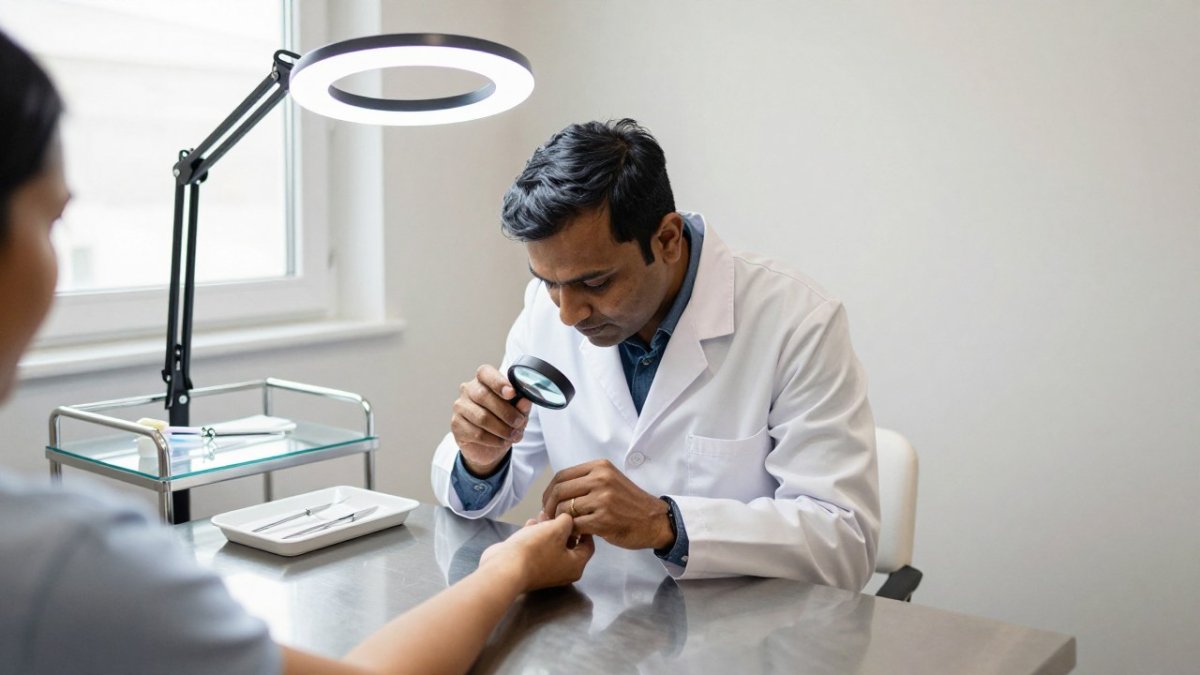
A professional skin examination is the reliable way to check whether a lesion needs evaluation. Do not try to remove or treat a lesion you are unsure about at home.
How to Treat Sun Damage on Face Naturally at Home
Home care can soften the look of sun damage, but it works slowly and has limits. For practical natural remedies tailored to melanated skin, explore the PINK MINK NYC guide to safe, natural options for dark spots. The most important step is daily sun protection. Broad-spectrum sunscreen with an SPF of 30 or higher, used every morning, stops new damage from building up. Protective clothing and sun avoidance during peak hours add more protection.
A Safe Order for Your Daily Routine
A simple routine works better than a long list of products. Use gentle steps in this order:
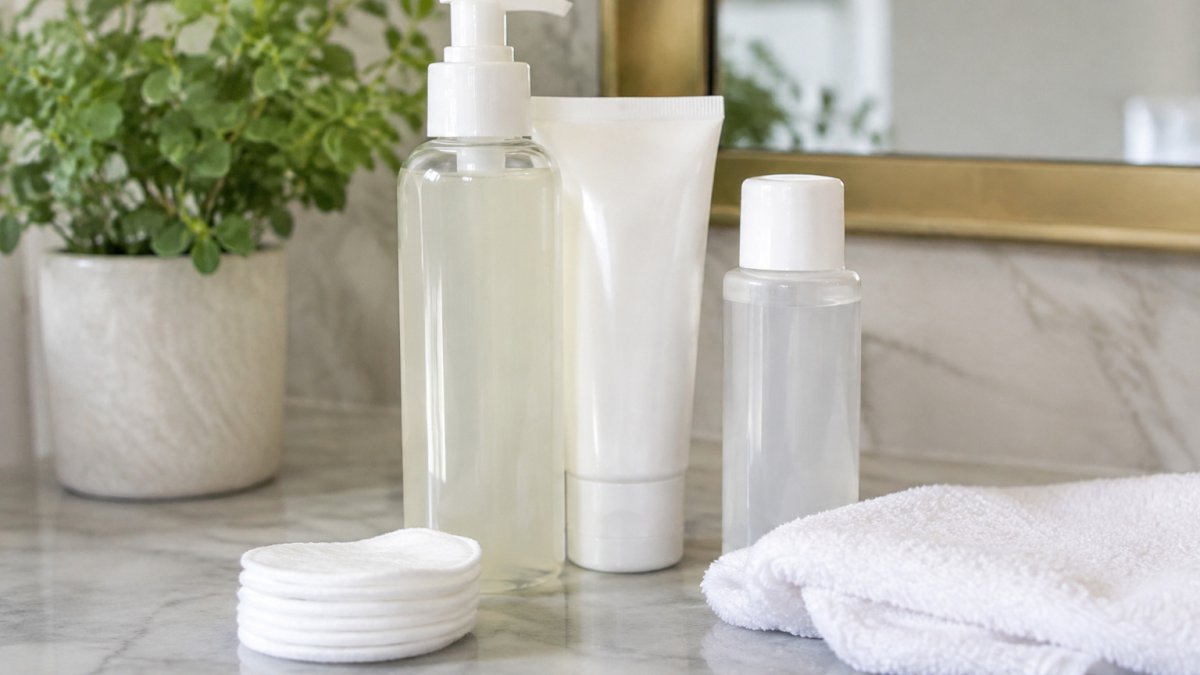
Cleanse with a mild, non-stripping cleanser in the morning and at night.
Treat with one active at a time, a vitamin C serum in the morning if your skin tolerates it, or a retinoid at night.
Moisturize to protect the skin barrier and reduce dryness.
Protect with broad-spectrum sunscreen every morning, even on cloudy days.
How to Introduce Retinoids and Pigment-Targeting Ingredients
The order and pace of introduction often matter more than the number of products. A common pattern is:
Weeks 1-2: Start a retinoid at the lowest strength, two nights per week, applied to dry skin. Buffer with moisturizer first if you are sensitive.
Weeks 3-4: Increase to three nights per week if there is no stinging or flaking.
Weeks 5-8: Add a pigment-targeting ingredient such as niacinamide or azelaic acid on alternate mornings, not the same night as the retinoid.
Month 3 onward: Increase retinoid frequency gradually toward nightly use if tolerated.
Introduce one new product at a time and wait two weeks before adding another. Watch out: layering a retinoid, an acid exfoliant, and a vitamin C serum in the same routine is a common cause of irritation that makes sun damage look worse, not better.
Pairing Actives With Moisturizer and Sunscreen
Retinoids and acids weaken the skin barrier temporarily, so moisturizer is not optional, apply it after the active has absorbed, and again in the morning before sunscreen. Sunscreen is the non-negotiable partner: pigment-targeting ingredients and retinoids both increase photosensitivity, and without daily SPF 30 or higher the spots you are trying to fade will darken again. Reapply sunscreen every two hours outdoors.
What Home Care Can and Cannot Do
Home care can improve the look of mild sun spots and rough texture over several months. Consistent sunscreen use and gentle exfoliation help skin turn over more evenly. Home care products cannot reliably remove deep pigment or reverse collagen loss.
Home care cannot erase deep sun spots, fix significant wrinkles, or replace medical treatment.
Best Treatment for Sunspots on Face
Prescription and in-office options usually work faster than home care. For a broader step-by-step guide to treating hyperpigmentation safely, see the full treatment overview with proven ingredients and procedures. The right choice depends on how deep the pigment sits, your skin tone, and how much downtime you can accept. A dermatologist can match a treatment to your skin.
Topical Retinoids and Lightening Agents
Topical retinoids, including retinol and prescription retinoic acid, speed up skin-cell turnover. This helps pigment fade and improves texture over time. Results usually take three to six months, and skin may peel or feel dry at first.
Lightening agents, such as hydroquinone or azelaic acid, target uneven pigmentation directly. Dermatologists may prescribe them for short periods because they can irritate sensitive skin. Always use sunscreen daily when using these products, since sun exposure can undo the results.
Chemical Peels, Light and Laser Options
In-office procedures can treat deeper sun spots faster than topicals alone:
Chemical peels use acids to remove the outer layer of skin. Recovery takes a few days to a week.
Intense pulsed light (IPL) targets pigment and redness with little downtime.
Laser resurfacing improves fine lines and pigment, but usually needs more recovery time.
Each option carries risks, including irritation, temporary darkening, and changes in skin tone. Read about chemical peel safety for dark skin tones and aftercare before booking. People with darker skin need extra care, since some procedures can cause post-inflammatory hyperpigmentation. Choose a provider experienced with your skin type.
The article compares the main in-office and prescription options for sunspots, along these lines:
Option | Best for | Key difference |
Topical retinoids | Pigment and texture over time | Results take three to six months |
Lightening agents | Uneven pigmentation | Used for short periods; can irritate |
Chemical peels | Deeper sun spots and rough texture | Recovery takes a few days to a week |
Intense pulsed light | Pigment and redness | Little downtime |
Laser resurfacing | Fine lines and pigment | Usually needs more recovery time |
Choosing a Treatment by Skin Tone and Sensitivity
The best treatment depends on your skin tone, how sensitive your skin is, and which visible change bothers you most. You can compare advanced treatment options by skin type and recovery time to narrow your choices. A decision guide helps you compare options before you commit to a series of sessions or a prescription.

Match the Treatment to the Symptom
Flat brown spots and uneven tone: start with a topical retinoid plus a lightening agent such as hydroquinone or azelaic acid. If spots persist after three to six months, IPL or a light chemical peel is the next step.
Rough, bumpy texture: chemical peels and microdermabrasion smooth the surface; retinoids improve texture over time.
Fine lines and wrinkles: laser resurfacing and retinoids have the strongest evidence; peels offer milder improvement.
Redness and broken capillaries: IPL targets redness specifically, while peels and retinoids do little for it.
Skin Tone and Post-Inflammatory Hyperpigmentation Risk
Lighter skin often responds well to many options. Darker skin needs gentler approaches and careful testing, because aggressive treatments can cause new discoloration, post-inflammatory hyperpigmentation, that is harder to fade than the original sun damage. Clinicians generally take a more conservative approach for darker skin tones, so it is reasonable to ask any provider about their experience treating your skin tone.
Sensitivity and Contraindications
If your skin reacts easily, ask a dermatologist about patch testing before a full treatment. Avoid retinoids and strong acids during pregnancy; ask about azelaic acid as a pregnancy-compatible alternative.
Start with the least aggressive option that fits your goals. A consultation can help you weigh results against risk, and it is the right place to confirm which option is safe for your skin tone.
Sun-Damaged Skin Treatment Timelines and Maintenance
Most treatments take several weeks to months to show results, and multiple sessions are common. Topical retinoids often need three to six months. Some treatments may require a series of sessions spaced weeks apart. Recovery varies, from a few days of redness to a longer healing period after deeper procedures.
Maintenance matters as much as the initial treatment. Keep up daily sunscreen, continue a gentle routine, and schedule periodic skin checks. Without ongoing protection, sun spots often return.
How to Reverse Sun Damage: What Is Realistic
Sun damage can be improved, but it cannot be fully reversed. Pigment can fade and texture can smooth, yet lost collagen and existing DNA damage are not undone by any cream or procedure. Realistic goals include softer spots, more even tone, and better skin texture.
Be cautious about products that promise overnight results.
Booking Your Consultation to Start Treating Sun Damage
If sun spots, uneven tone, or any unusual lesion are bothering you, a consultation is the best next step. Book a consultation with PINK MINK NYC to discuss your skin concerns and get a clear starting point. Before you book, learn how to choose a board-certified dermatologist experienced with ethnic skin, including which questions to ask.
Frequently Asked Questions
Can my face recover from sun damage?
Some sun damage can improve, but the extent depends on the type and depth of the change. Sun spots and uneven tone often fade noticeably with consistent treatment, and fine lines may soften. Changes to deeper skin structure, such as established wrinkles, are harder to reverse and usually need professional treatment. Daily sunscreen use matters most, because new UV exposure can undo progress. A dermatologist can assess what is realistic for your skin.
Is it too late to fix sun-damaged skin?
It is rarely too late to see some improvement. Skin keeps renewing itself at any age, and treatments such as topical retinoids can encourage cell turnover and gradually lighten pigment. Results take time, often several months, and expectations should match what the damage actually is. Protecting skin from further sun exposure is the step that makes every other treatment work better.
What is the best treatment for sunspots on the face?
No single treatment suits everyone. Topical retinoids and lightening agents are common first-line options for sunspots, and dermatologists may recommend chemical peels or light-based procedures for stubborn pigment. The right choice depends on your skin tone, sensitivity and the sunspot's depth. Because some pigment changes can resemble more serious lesions, have a dermatologist examine any spot that is new, changing or unusual before treating it.
When should I see a dermatologist about sun-damaged skin?
See a dermatologist if you notice a spot that is growing, bleeding, crusting, itching persistently, or looks different from others. Rough, scaly patches that do not heal can be actinic keratoses, which need medical assessment. A dermatologist can also help you choose a treatment plan based on your skin type, guide you through possible side effects, and tell you when to expect results. Book a consultation before starting strong prescription products.
Quick Summary
Concern | Typical First Step | Timeline |
Mild sun spots | Daily sunscreen and topical retinoid | 3 to 6 months |
Uneven tone | Lightening agent under supervision | 2 to 4 months |
Deeper pigment | Chemical peel or IPL | Series of sessions |
Unusual or changing spot | Dermatologist examination | Promptly |
Comments