Is It Time for a Lash Fill or a Full Set?

Quick Summary
A lash extension fill replaces extensions that have shed since your last visit, as natural lashes complete their growth cycle. Book one when gaps are visible along the lash line, especially in two or more zones, or when the set is past three weeks old.
Each extension is bonded to one natural lash, so it sheds when that lash does.
Check your lash line in natural light and count zones with visible gaps.
Routine fills within ten days of a set can signal over-processing; ask why.
Clusters of loss from one zone point to a retention problem, not normal shedding.
If a set is under two weeks old and gapping badly, review aftercare and adhesive first.
Table of Contents
What a Lash Extension Fill Actually Replaces
A lash extension fill replaces the extensions that have shed since your last appointment. Your natural lashes go through a growth cycle, and each extension is bonded to a single natural lash. When that natural lash sheds, the extension goes with it. A fill restores the lost volume, removes any outgrown extensions, and brings the set back to its intended shape. To keep your set looking good between appointments, learn how to maintain lash extensions with step-by-step aftercare and fill schedules.
A fill is not a new set, and it does not rebuild the whole look from scratch. It is maintenance that keeps the original design intact.
Visible Gaps Along the Lash Line: The Clearest Sign
Gaps are the most obvious signal that your set needs attention. Look at your lash line in a mirror with natural light. If you can see skin between lashes, especially along the outer corners or the center, it is time to book.

Gaps tend to appear first where the natural lashes shed most. Many people notice them at the outer corners before the center.
How Often Do You Need a Lash Extension Fill?
Waiting longer can mean more extensions need replacing.
Your timing depends on how quickly your natural lashes shed.
Why Natural Lash Growth Cycles Change Your Timing
Shedding speed varies from person to person, so two people with the same set can need fills at very different times. Your own cycle decides whether two weeks is right or three is enough. Sleep position, eye rubbing, and how often you touch your lashes all shift the effective interval.
The Over-Fill Warning: When More Frequent Isn't Better
Watch Out If a salon offers to fill a set that is less than about ten days old, ask why. A legitimate reason exists (a single lost lash, a special event), but routine early fills are a red flag for over-processing.
Signs that your fill schedule is too aggressive include natural lashes that look shorter or sparser than they did before you started extensions, tenderness at the lash line, and extensions that shed within days of a fresh fill. If you notice any of these, stretch your interval rather than shorten it, and ask your technician to assess your natural lash health before adding volume.
A Simple Booking Rule
Use this three-step check before you call:
Look at your lash line in natural light. Count the zones (inner, center, outer) with visible gaps.
Note the age of the set. Under two weeks with heavy gaps points to a retention problem, not a scheduling one.
Check for drooping or twisted extensions. These need removal regardless of the calendar.
If gaps appear in two or more zones, or the set is past three weeks, book. If the set is under two weeks and already gapping badly, ask your technician to review your aftercare and adhesive rather than simply adding more lashes. (Source: consumer spending on beauty services)
Lash Extension Shedding: How Much Loss Is Normal
Some shedding is expected. Losing a few extensions a day is normal as natural lashes complete their cycle. See how to wash your face with eyelash extensions in seven steps without loosening the set. The concern starts when you notice large sections of the set are gone within a few days, or when the pattern of loss doesn't match the natural growth cycle.
Normal Shedding vs. Premature Fallout: A Visual Checklist
Most guides tell you shedding is normal but never show you how to tell the difference. Use this checklist the next time you notice loss:
Normal shedding looks like:
One or two extensions on the pillow or in the sink each morning, spread across the lash line.
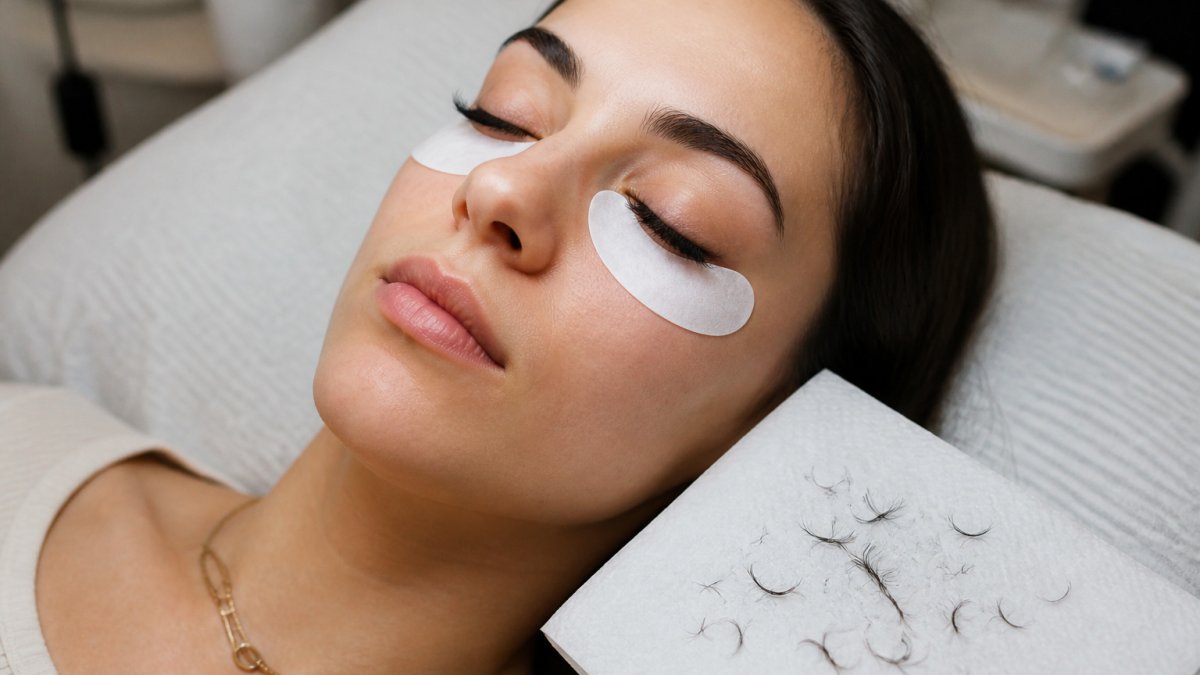
A shed extension with a tiny, clear bulb of natural lash at the base, that means the natural lash completed its cycle and released on schedule.
Gradual thinning that follows the same pattern each cycle, usually starting at the outer corners.
No tenderness, redness, or itching at the lash line.
Premature fallout looks like:
Clusters of extensions coming out together, especially from one zone.
A shed extension with no natural lash attached and a clean, hard adhesive base, the bond failed rather than the lash shedding.
Extensions that twist, cross, or droop within days of a fresh fill.
Visible bald patches on the natural lash line, or natural lashes that appear shorter than before.
Irritation, stinging, or a gritty feeling along the lid margin.
Pro Tip Photograph your closed eye in the same lighting once a week. Comparing week-one and week-three photos is the fastest way to see whether loss is gradual (normal) or clustered (a retention problem).
What Drives Premature Fallout
Be careful with your aftercare routine. Washing your face with oil-based products or rubbing your eyes can loosen extensions early. If you are wondering how to clean your face without losing lashes, our guide on washing your face with eyelash extensions covers the steps in detail.
When Shedding Is a Health Signal
If loss is heavy but your lash line looks calm, the likely culprit is technique or aftercare rather than health. Ask your technician to review isolation, adhesive cure time, and your at-home routine before you shorten your fill interval.
Normal shedding and premature fallout look different, so compare what you see against this checklist.
Pattern | What it looks like | What it usually means |
Normal shedding | One or two extensions each morning, spread across the lash line | Natural lash completed its cycle |
Normal shedding | Shed extension has a tiny clear bulb of natural lash at its base | Released on schedule |
Normal shedding | Gradual thinning, usually starting at the outer corners | Follows the growth cycle |
Premature fallout | Clusters of extensions coming out together, especially from one zone | Retention problem |
Premature fallout | Shed extension has no natural lash and a clean adhesive base | Bond failed rather than lash shedding |
Premature fallout | Extensions twist, cross, or droop within days of a fill | Needs removal or review |
Premature fallout | Irritation, stinging, or gritty feeling along the lid margin | Possible aftercare or technique issue |
Lash Extensions After 2 Weeks: What Your Set Should Look Like
You may wonder whether you can wear mascara in the meantime. Find out whether mascara is safe with lash extensions before you reach for it. That answer depends on your adhesive and your technician's guidance, and our article on wearing mascara with lash extensions explains what to avoid. Keep the set clean with a remover that won't break down the bond. Compare oil-free makeup removers that are safe for lash extension adhesive. Our guide to the best oil-free makeup remover for lashes lists options that are safe for extension adhesive.
Lash Fill vs. Full Set: Choosing the Right Appointment
Choose a fill when the set is still mostly in place. Choose a full set when the fill would need to replace most of the lashes anyway. A technician can check your natural lashes and tell you which option makes more sense.
Booking Your Next Fill at PINK MINK NYC
PINK MINK NYC offers lash and brow services.
Frequently Asked Questions
How often do you need a lash extension fill?
Most lash artists recommend a fill every two to three weeks. Two-week fills typically replace around 25 to 35 percent of a set, while a three-week schedule may suit people whose natural lashes shed more slowly. Waiting longer usually means more extensions need replacing, which can lengthen the appointment. Your natural lash cycle, lifestyle and how carefully you care for your lashes all affect the right interval, so a lash technician can tell you what fits your set.
Should you get a lash fill or a full set?
A fill is usually the right choice when most of your extensions remain, the shape still looks even and the lash line has few visible gaps. A full set is generally better when many extensions have shed, the set looks uneven or sparse, or it has been several weeks since your last appointment. A technician can check your remaining extensions and recommend the option that restores your look most efficiently.
What happens if you wait too long between lash fills?
When you wait too long, more of your natural lashes have shed and more extensions may have grown out or fallen off. Gaps become more noticeable, and the technician may need more time to remove old extensions and apply new ones. Regular appointments within a reasonable window help keep the set balanced and reduce the stress that comes from natural lash shedding.
How can you tell when your lash extensions need a fill?
Look for visible gaps along the lash line, extensions that appear to be drooping or twisting, and an uneven or sparse look at the outer corners. If you notice that the set no longer frames your eyes the way it did after your appointment, it is likely time for a fill. Any concerns about irritation, redness or discomfort around the eye should be raised with a qualified professional.
Comments