Laser Hair Removal vs Waxing for Facial Hair

Last Updated: November 18, 2026
Quick Summary
Laser hair removal vs waxing for facial hair comes down to root versus surface removal: waxing pulls hair out at the root for two to four weeks, while laser targets the follicle beneath the skin over a series of sessions for long-term reduction. Coarse, dark hair responds best to laser, while waxing works on any hair color and skin tone.
Waxing results last roughly two to four weeks before the growth cycle brings hair back.
Do not wax, pluck, or thread between laser sessions; shaving is fine and often encouraged.
Waxing at a three-to-four-week cadence means roughly 15 to 17 appointments per year, every year.
An incomplete laser series is the most expensive outcome because you pay series pricing without reaching the reduction.
On melanated skin, laser energy may affect skin pigment as well as hair pigment, so device choice and settings matter.
Waxing every month with no end in sight?
PINK MINK NYC tailors facial laser plans to your skin tone and hair pattern, with PCOS-focused care.
Table of Contents
Laser Hair Removal vs Waxing for Facial Hair: The Core Difference
Laser hair removal vs waxing for facial hair comes down to one trade-off: waxing removes hair from the surface today, while laser hair removal targets the follicle beneath the skin over a series of sessions. Below, we break down how each method works, what it costs over time, and which skin types and hair patterns each one actually suits. (Source: American Academy of Dermatology Association)
The core difference is root removal versus surface removal. Waxing pulls hair out at the root, but the follicle survives and regrows. Laser hair removal delivers concentrated light that the pigment in the hair absorbs, heating the follicle during its active growth phase. That distinction drives everything else: cost, longevity, pain, and suitability.

The woman is American.
How Laser Hair Removal Works on the Face
Laser hair removal is a light-based treatment that targets the melanin in hair follicles during the anagen phase of the growth cycle. A handheld device delivers controlled pulses through the skin, and the follicle absorbs that energy and stops producing terminal hair. Facial treatment areas include the upper lip, chin, jawline, and cheeks.
Coarse, dark hair responds best because it carries more melanin to absorb the light. Vellus hair, the fine pale fuzz on the face, is a poor target. A dermatologist or trained aesthetician typically adjusts laser settings to skin tone and hair density, which is why skin tone compatibility matters so much.
How Waxing Removes Facial Hair
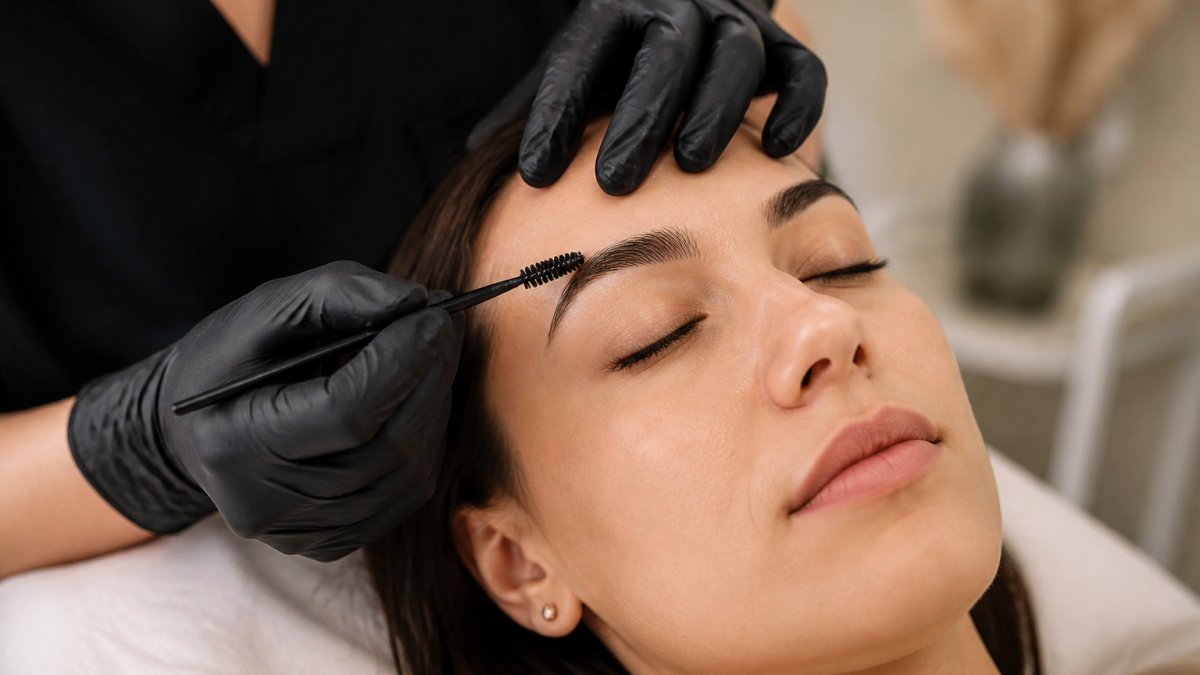
Waxing is a form of mechanical epilation: warm or strip wax adheres to hair and is pulled away, removing hair from the root. Results are immediate and last roughly two to four weeks before the growth cycle brings hair back. Many providers suggest booking every three to four weeks for consistent smoothness, as European Wax Center's laser vs waxing FAQ notes.
Waxing works on any hair color and any skin tone. The trade-offs are ingrown hairs, folliculitis, and skin irritation, especially on sensitive facial skin. It does nothing to the follicle long term.
Laser Hair Removal vs Waxing for Facial Hair Cost
Facial laser hair removal is often a higher upfront investment than waxing, but waxing is a recurring expense with no endpoint. The honest comparison is not one session versus one wax, it is a full laser series plus maintenance versus years of waxing every three to four weeks. That same long-term cost perspective can clarify a comparison of sugaring and laser hair removal, since recurring appointments matter as much as the method’s upfront cost.
Pricing for a single facial laser session compared with a facial wax depends on the provider, area size, and session count. Waxing is cheaper per visit and repeats indefinitely. The break-even point depends on area size, hair density, how many sessions your skin needs, and how often you would otherwise wax.
Factor | Laser Hair Removal | Waxing |
Upfront cost | Higher per session | Lower per session |
Cost pattern | Series of sessions, then occasional maintenance | Every 3-4 weeks, ongoing |
Longevity | Long-term reduction | 2-4 weeks |
Best for | Coarse dark hair, long-term planning | Any hair color, quick results |
Hidden costs | Consultation, numbing cream, sunscreen | Ingrown-hair treatments, exfoliants, missed-appointment fees |
Budgeting for Maintenance Over Five Years
A realistic way to compare is to project five years out. Waxing at a consistent three-to-four-week cadence means roughly 15 to 17 appointments per year, every year, with no endpoint. A laser cycle front-loads the cost into a series, then tapers to occasional maintenance sessions as hormonal shifts trigger new growth. For some clients the five-year total for laser may be lower than for waxing, depending on the number of sessions and maintenance needed.
Watch out: an incomplete laser series is the most expensive outcome of all, because you pay series pricing without reaching the reduction that makes the math work. Commit to the full plan or stay with waxing.
For a local breakdown of session pricing, see our guide to the average cost of laser hair removal in NYC. We do not quote facial pricing here because it depends on area size, hair density, and the number of sessions your skin needs.
How Long Does Facial Laser Hair Removal Last?
Facial laser hair removal lasts far longer than waxing, but "permanent" needs a caveat. Laser treatments are generally described as producing long-term hair reduction rather than guaranteed permanent removal. Most people need a series of sessions spaced weeks apart, then occasional maintenance sessions as hormonal shifts trigger new growth.
Waxing results typically last two to four weeks. Laser results can hold for months or longer on treated follicles, though some follicles may produce hair again over time. Hair growth cycle timing is why sessions are spaced out: only follicles in the anagen phase respond, so each session catches a different set.
Can You Wax Between Laser Hair Removal Sessions?
No. Do not wax, pluck, or thread between laser sessions. Waxing removes the hair shaft the laser needs to reach the follicle, which can make the next treatment less effective. Shaving is fine and often encouraged before a session.
If you are transitioning from waxing to laser, expect a gap. Your practitioner will usually ask you to stop waxing for several weeks before your first session so the follicles are intact and the growth cycle is predictable. Plan the switch around an event calendar, not the week before a wedding.
Laser Hair Removal for Different Skin Tones
Laser hair removal can be safe and effective on darker skin, but device choice and settings matter enormously. On melanated skin, a known risk of laser treatment is that the energy may affect skin pigment as well as hair pigment, which can cause burns or pigment changes.
The mechanism is straightforward: laser energy is absorbed by melanin, and melanin lives in both the hair follicle and the surrounding skin. On lighter skin the contrast between dark hair and pale skin lets the practitioner use higher fluence safely.
A consultation can help match the device and settings to your Fitzpatrick type. If you want to understand how laser types differ, read our guide on how to choose the right laser for your skin type.
Skin Barrier Health on Delicate Facial Skin
Waxing carries no pigment risk, but repeated waxing on the upper lip, chin, and jaw can irritate the outermost layer of skin and cause redness or sensitivity in some people. Laser can cause temporary redness and swelling that typically settles with proper aftercare and broad-spectrum sunscreen.
If your skin stays red or raw for more than a day after a facial wax, speak with a qualified professional before booking another appointment.
Matching the Method to Your Skin and Hair
Skin tone is only half the suitability question; hair color is the other. Coarse, dark hair responds best to laser because it carries more melanin to absorb the light, while vellus hair, the fine pale fuzz on the face, is a poor target. Waxing works on any hair color and any skin tone, which is why it remains the fallback for clients with light hair or a mix of hair types across the face. A consultation should map both variables, Fitzpatrick type and hair color, before anyone commits to a plan.
Hormonal Hair Growth, Skin Barrier Health, and Pain: What Competitors Skip
Hormonal hair growth changes the calculus. Hormonal conditions such as PCOS can drive changes in facial hair growth (pubmed.ncbi.nlm.nih.gov). Waxing addresses the surface for a few weeks, while laser hair removal targets the follicle. Hormonal patterns may trigger new growth, so a plan that includes maintenance is often discussed for these clients.
For a deeper look, our guide to laser hair removal for PCOS hormonal hair covers session counts and long-term maintenance. Skin barrier health is the other gap: waxing strips the outermost layer and can leave facial skin raw, while laser causes temporary redness and swelling that settles with proper aftercare and broad-spectrum sunscreen. Our guide on how to manage pain during laser hair removal walks through practical options.
Booking Your Facial Hair Consultation
A consultation is where the decision gets made. Your practitioner reviews your hair density, skin tone, medical history, and hormonal context, then maps a session plan and realistic expectations. Bring a list of any medications, especially photosensitizing ones, and disclose hormonal conditions.
When booking a consultation, it can help to ask which laser will be used for your skin type, how many sessions may be needed, and what aftercare is recommended. If you want to know exactly what a session involves, read our complete laser session guide.
Facial hair decisions deserve more than a coin flip. If waxing has become a monthly chore with no end in sight, a consultation will tell you whether laser is a fit for your skin tone and hair pattern.
Frequently Asked Questions
Is it better to wax or laser facial hair?
It depends on your goal. Waxing removes hair at the root for a few weeks and requires appointments every three to four weeks to stay smooth. Laser hair removal targets the hair follicle during its growth cycle to reduce regrowth over a series of sessions, which suits people who want a longer-term reduction rather than a recurring fix. Laser also needs a consultation first, especially for hormonal hair growth or deeper skin tones, because settings must match your Fitzpatrick skin type and hair density.
How long do laser hair removal results last on the face?
Facial laser hair removal results vary by person, hair color, and hormones. Many people see a noticeable reduction after a series of sessions, with maintenance sessions at longer intervals to keep regrowth in check. Facial hair grows in cycles, so treatment intervals are spaced to catch hair in the anagen phase. Hormonal conditions can cause new growth over time, which is why a provider experienced with PCOS and melanated skin will build a plan around your pattern rather than a fixed package.
Can you wax between laser hair removal sessions?
Most providers advise against waxing between laser sessions. Waxing pulls hair from the follicle, and the laser needs the hair root in place to deliver energy to the follicle during treatment. Shaving is usually the recommended option between appointments because it leaves the root intact. If you are transitioning from waxing to laser, your provider will tell you how long to pause waxing before your first session so the hair growth cycle is ready for treatment.
Which costs more for facial hair removal: laser or waxing?
Waxing costs less per appointment but repeats every three to four weeks indefinitely, so the total adds up over years. Laser hair removal is a higher upfront investment across a series of sessions, followed by occasional maintenance. Pricing depends on the treatment area, the number of sessions, and the provider, so ask for a full quote rather than comparing a single session price. A clinic that tailors settings to your skin tone and hair type can also reduce the risk of wasted sessions.
Does laser hair removal work on upper-lip and chin hair?
Laser hair removal is commonly used on the upper lip and chin, but results depend on hair color, skin tone, and the cause of the hair growth. Coarse, dark terminal hair typically responds better than fine vellus hair. Chin hair linked to hormonal conditions like PCOS can regrow, so a provider may recommend a series plus maintenance sessions. A consultation with someone experienced in hormonal hair growth and melanated skin is the best way to set realistic expectations before booking.


Comments