Prevent Hyperpigmentation After Laser on Brown Skin

Table of Contents
What Is Post-Inflammatory Hyperpigmentation After Laser?
Why Brown Skin Is More Prone to Hyperpigmentation After Laser
How to Prepare Skin for Laser Treatment
Skincare Routine After Laser Hair Removal
First 48 Hours: Critical Aftercare Steps
Week One Through Four: Maintenance and Prevention
Best Laser Hair Removal for Dark Skin: Laser Settings and Technique
Recommended Ingredients and Products to Prevent Hyperpigmentation
Common Mistakes to Avoid After Laser Treatment
When to See a Professional for Persistent Discoloration
Frequently Asked Questions
Last Updated: September 28, 2026
What Is Post-Inflammatory Hyperpigmentation After Laser?
Post-inflammatory hyperpigmentation is darkening of the skin that happens after laser treatment. When the laser heats the skin, it causes controlled inflammation. Your body responds by producing extra melanin. This melanin builds up in the treated area, creating dark spots or patches. (Source: Fitzpatrick scale)
Post-inflammatory hyperpigmentation after laser typically fades within weeks to months with proper aftercare.
At PINK MINK NYC, we utilize groundbreaking techniques tailored to individual Fitzpatrick skin types, with a dedicated focus on PCOS/PMOS, HS and melanated skin. The goal is clear: remove hair without the dark spots.
Why Brown Skin Is More Prone to Hyperpigmentation After Laser
Darker skin tones have more melanin, making melanocytes respond faster and stronger to laser energy. This means you need different laser settings and aftercare than lighter skin types.
Why the difference matters:
More melanin means faster melanin production during healing
Darker skin absorbs more laser heat
Fitzpatrick skin types IV, V, and VI (brown to deep brown skin) show hyperpigmentation more often
The darker your baseline skin tone, the more noticeable any darkening becomes
Improper laser settings and poor aftercare cause hyperpigmentation. Choosing a provider experienced with melanated skin is critical.
How to Prepare Skin for Laser Treatment
Topical preparation (two weeks before):
Stop these two weeks before:
Tanning (sun exposure or beds)
Waxing, plucking, or threading
Retinoids and vitamin A products
Glycolic acid and other strong exfoliants
Hydroquinone (if you use it for pigmentation)
Any new skincare products or treatments
Do these two weeks before:
Use broad-spectrum sunscreen daily (SPF 30 minimum, SPF 50+ preferred)
Keep skin clean and moisturized with gentle, fragrance-free products
Avoid hot showers and saunas (heat increases inflammation)
Stay hydrated by drinking water (aim for 8-10 glasses daily)
Avoid alcohol and blood thinners if possible (these increase bleeding and bruising)
Dietary and supplement preparation (two weeks before):
Anti-inflammatory foods to emphasize:
Fatty fish (salmon, sardines): Omega-3s reduce inflammatory cytokines
Leafy greens and berries: Antioxidants protect skin cells
Turmeric and ginger: Anti-inflammatory compounds
Foods and substances to avoid or minimize:
Refined sugar and high-glycemic foods: Trigger inflammatory responses
Processed foods and trans fats: Increase systemic inflammation
Alcohol: Dehydrates skin and increases inflammation; avoid for at least one week before treatment
Supplements to consider (consult your dermatologist first):
Omega-3 fish oil (1000-2000 mg daily): Reduces inflammatory markers
Vitamin C (500-1000 mg daily): Antioxidant support
Zinc (15-30 mg daily): Essential for wound healing
Introduce supplements 2-3 weeks before treatment and discuss timing with your provider.
Lifestyle preparation (two weeks before):
Sleep: Aim for 7-9 hours nightly. Poor sleep increases cortisol, which triggers inflammation and melanin production.
Stress management: Chronic stress elevates cortisol, increasing skin inflammation.
Skincare Routine After Laser Hair Removal
First 48 Hours: Critical Aftercare Steps
Hours 0-24 after treatment:
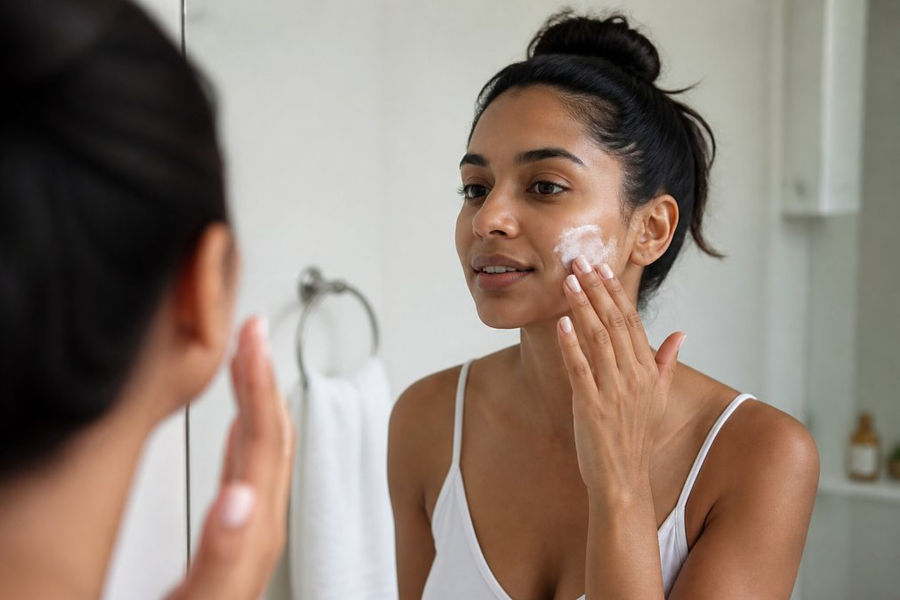
Apply ice packs for 10 minutes every hour (wrap ice in cloth, never direct contact)
Use a gentle, fragrance-free cleanser only
Pat skin dry gently, do not rub
Apply a soothing moisturizer with ceramides
Wear loose, soft clothing over treated areas
Stay indoors or in shade
Avoid hot water, hot showers, and saunas
Do not exercise or sweat
Do not touch or scratch the area
Hours 24-48 after treatment:
Continue ice packs if redness persists
Start using broad-spectrum sunscreen SPF 50+ (reapply every two hours)
Continue gentle cleansing and moisturizing
Avoid makeup on treated skin
Do not use active ingredients (vitamin C, acids, retinoids)
Keep the area dry and protected
Week One Through Four: Maintenance and Prevention
After the first 48 hours, your focus shifts to sun protection and barrier repair.
Week 1-4 routine:
Apply sunscreen SPF 50+ every two hours outdoors
Use physical sunscreen with iron oxide (better for melanated skin)
Cleanse with a gentle, sulfate-free cleanser
Moisturize twice daily with a barrier-repair product
Avoid direct sun exposure completely
Wear protective clothing (long sleeves, hats, sunglasses)
Do not use strong actives (retinoids, acids, vitamin C)
Do not wax, pluck, or exfoliate treated areas
Avoid chlorine pools and salt water
Best Laser Hair Removal for Dark Skin: Laser Settings and Technique
The wrong laser or settings can cause burns, scars, or severe hyperpigmentation. Safe treatment requires understanding wavelength, melanin absorption, and safe parameters for your Fitzpatrick skin type.
Nd:YAG (1064 nm wavelength)
Longest wavelength; penetrates deepest into dermis, bypassing epidermal melanin
Safest choice for Fitzpatrick V-VI (deep brown to Black skin)
Typical fluence range: 10-20 J/cm² (lower than lighter skin types)
Pulse duration: 10-300 milliseconds (longer pulses reduce heat buildup in epidermis)
Risk: Lower risk of epidermal burns and hyperpigmentation when settings are appropriate
Drawback: May require more sessions for fine or light hair; slightly slower results
Best for: Coarse dark hair on very dark skin; the gold standard for melanated skin
Diode (808 nm wavelength)
Mid-range wavelength; safe for Fitzpatrick IV-V with proper settings
Typical fluence range: 15-25 J/cm² (adjusted downward for darker skin)
Risk: Moderate risk if fluence is too high; epidermal heating can trigger hyperpigmentation
Advantage: Faster treatment time; effective on finer hair
Best for: Medium to coarse hair on brown skin; requires experienced operator
Alexandrite (755 nm wavelength)
Shorter wavelength; higher melanin absorption in epidermis
Use with extreme caution on Fitzpatrick V-VI
Risk: Higher risk of burns and post-inflammatory hyperpigmentation on darker skin
Best for: Fitzpatrick IV with light to medium hair only
Ruby (694 nm wavelength)
Not recommended for Fitzpatrick IV-VI; very high risk of burns and severe hyperpigmentation
Critical parameters beyond laser type:
What to ask your provider:
What is the wavelength of your laser, and why did you choose it for my skin type?
What fluence will you use, and how does it differ from what you use on lighter skin?
What is the pulse duration, and will you adjust it for my skin type?
What cooling system do you use, and how does it protect my epidermis?
Can you show me your track record with Fitzpatrick skin types IV-VI? (Ask for before-and-after photos.)
Do you adjust settings for each individual, or use standard protocols?
Recommended Ingredients and Products to Prevent Hyperpigmentation
Ingredients that help prevent hyperpigmentation:
Niacinamide (reduces inflammation and supports barrier repair)
Ceramides (restore skin barrier)
Hyaluronic acid (hydrates without irritation)
Centella asiatica (calms inflammation)
Azelaic acid (gentle, reduces redness after week 2)
Tranexamic acid (reduces melanin production)
Antioxidants like ferulic acid (protect from sun damage)
Ingredients to avoid in first four weeks:
Hydroquinone (too strong, can irritate fresh laser wounds)
Retinoids (increase sun sensitivity)
Glycolic acid and other AHAs (irritate healing skin)
Benzoyl peroxide (too drying)
Vitamin C serums (can cause irritation)
Niacinamide is your best friend after laser. It calms inflammation without being harsh. It also supports your skin barrier, which is critical for preventing hyperpigmentation. A simple moisturizer with niacinamide and ceramides is often enough.
Common Mistakes to Avoid After Laser Treatment
Mistake 1: Going in the sun too soon Your skin is photosensitive for at least two weeks. One afternoon in the sun can trigger hyperpigmentation lasting months. Wear protective clothing and stay in shade.
When to See a Professional for Persistent Discoloration
Most hyperpigmentation fades within 8-12 weeks with proper aftercare. If dark spots persist beyond three months, professional treatment can help.
See a dermatologist if:
Dark spots don't fade after 12 weeks
Spots are getting darker instead of lighter
You develop blistering, scarring, or severe pain
You notice signs of infection (pus, warmth, increased swelling)
Hyperpigmentation is severe enough to affect your confidence
Professional treatments for persistent hyperpigmentation:
Topical prescription treatments (hydroquinone, tretinoin)
Q-switched lasers designed to target melanin
Chemical peels or microneedling with growth factors
Frequently Asked Questions
How long does hyperpigmentation after laser take to fade on brown skin?
Hyperpigmentation after laser typically begins to fade within 2-4 weeks with proper sun protection and skincare. However, on brown skin, the timeline can extend to 8-12 weeks or longer depending on the depth of melanin deposition, laser settings used, and how well you follow aftercare. Consistent broad-spectrum sunscreen (SPF 30 or higher) and use of ingredients like vitamin C and tranexamic acid can accelerate fading. If discoloration persists beyond 12 weeks, consult a dermatologist.
What ingredients work best to prevent hyperpigmentation after laser on melanated skin?
Ingredients like Vitamin C, tranexamic acid, hydroquinone, and antioxidants can be beneficial for preventing and reducing hyperpigmentation after laser on brown skin. Vitamin C supports skin barrier repair and reduces melanin production. Tranexamic acid specifically inhibits melanocyte activity. Hydroquinone decreases melanin synthesis. Always use these alongside rigorous sun avoidance and broad-spectrum sunscreen reapplication every 2 hours, and consult with a qualified professional for personalized advice.
Can hyperpigmentation after laser be permanent on darker skin tones?
Hyperpigmentation after laser is typically not permanent on brown skin, but it can persist longer than on lighter skin types due to higher melanin production and dermal inflammation response. Most cases resolve within 8-12 weeks with proper aftercare. However, if you have a history of melasma or keloid formation, or if laser settings were too aggressive for your Fitzpatrick skin type, discoloration may take several months to fade. Prevention through sun protection and pre-treatment preparation is far more effective than treating established hyperpigmentation after the fact.
Why does laser hair removal cause hyperpigmentation more often on brown skin?
Brown skin has higher melanin concentration and more active melanocytes, which makes it more sensitive to thermal injury and post-inflammatory response. When laser energy is absorbed by the skin, it can trigger inflammation that stimulates melanocytes to produce excess melanin as a protective response. Additionally, brown skin has a greater tendency toward dermal inflammation after injury, and the contrast between the laser's target (hair follicles) and surrounding melanin-rich tissue increases the risk of collateral pigmentary changes. Proper laser settings calibrated for your specific Fitzpatrick skin type are essential to minimize this risk.
Preventing hyperpigmentation after laser on brown skin comes down to three things: proper laser settings, aggressive sun protection, and a gentle skincare routine. The right clinic makes all the difference. PINK MINK NYC specializes in laser treatment for melanated skin with customized settings for your Fitzpatrick skin type, expert aftercare guidance, and a lifetime satisfaction guarantee. Book your consultation today and get the hair-free results you deserve without the dark spots.
BOOK NOW


Comments