7 Ways to Soothe Irritated Skin After Microneedling

Last Updated: November 23, 2026
Quick Summary
To soothe irritated skin after microneedling, wash with lukewarm water and a gentle, non-foaming cleanser once 24 hours have passed, then apply a fragrance-free moisturizer with hyaluronic acid, ceramides, or occlusives while skin is still damp. Use short, wrapped cool compresses of five to ten minutes on and at least twenty minutes off during the first 24 to 48 hours, and avoid retinoids, chemical exfoliants, and fragrance.
Wait 24 hours before washing your face, then use lukewarm water and a gentle, non-foaming cleanser.
Apply moisturizer while skin is still slightly damp to help it work better.
Never apply ice directly to treated skin; use a clean cloth or wrapped fridge-cold gel pack.
Normal irritation peaks in the first 24 to 48 hours and then improves steadily.
Call your provider if pain worsens after day two, redness spreads, or you see pus, fever, or hives.
Skin still red after microneedling?
PINK MINK NYC offers medical grade microneedling and tailored aftercare for every skin type.
Table of Contents
How to Soothe Irritated Skin After Microneedling
Microneedling creates tiny channels in the skin, and the redness, warmth, and tightness that follow are normal. Most of what frightens people in the first 48 hours is exactly what healing should look like. (Source: U.S. Food and Drug Administration safety information)
Below, we break down how to soothe irritated skin after microneedling, hour by hour and day by day: what to wash with, which products help, which ingredients to avoid, and when a symptom deserves a call to your provider.
What Normal Irritation Looks and Feels Like
Normal irritation after microneedling is redness, warmth, mild swelling, and tightness that peaks within the first day and fades steadily after that. A sunburn-like feeling is expected. So is a bit of sensitivity when you touch the area.
What is normal:
Pink to deep red flushing over the treated area
A warm, tight, or stinging sensation for the first few hours
Slight swelling, especially around the eyes, cheeks, or jaw
Microneedling triggers collagen induction therapy, controlled micro-injuries your body repairs over the following weeks (Microneedling in Dermatology). The irritation is the repair process in motion.
When to Wash Face After Microneedling
You can wash your face 24 hours after microneedling, using lukewarm water and a gentle, non-foaming cleanser. Before that window closes, keep the skin dry and untouched except for any product your provider applied in the treatment room.
The 24-hour wait matters because your micro-channels are still open. Washing too early, or with the wrong cleanser, invites irritation and infection into skin that cannot defend itself yet.
The First 24 Hours: Cleansing Without Stripping
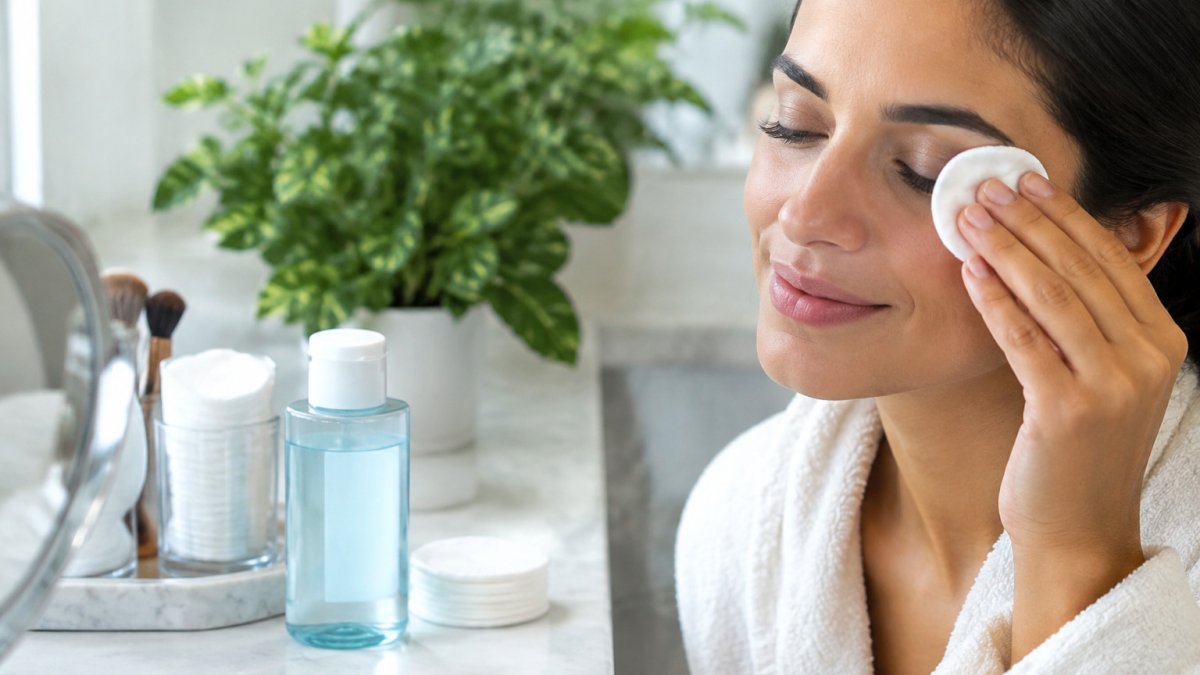
Once your window opens, treat your face like a fresh wound: lukewarm water, never hot, cleanser applied with clean fingertips and zero scrubbing.
Skip washcloths, sponges, brushes, and anything that drags across the skin. Pat dry with a clean towel, then air dry for a minute before moisturizing.
If you are unsure which formula is safe this early, our guide on whether gentle cleansers are best for post-procedure skin breaks down what to look for on the label.
Watch out: foaming cleansers with fragrance or acids can sting badly on open micro-channels. If a product burns, rinse it off and stop using it.
Best Moisturizer After Microneedling: What to Look For
The best moisturizer after microneedling is fragrance-free, hypoallergenic, and built around barrier repair ingredients like hyaluronic acid, ceramides, and occlusives. It should soothe, not stimulate.
Your skin barrier is temporarily compromised, so transepidermal water loss rises and skin dries out faster. A good moisturizer replaces that lost water and seals it in.
What to look for:
Hyaluronic acid to pull water into the skin
Ceramides to rebuild the barrier
Occlusives like petrolatum or squalane to lock moisture in
Apply while the skin is still slightly damp. That single habit makes any moisturizer work better.
Ingredients That Help vs. Ingredients That Hurt
The help list is short and boring. The hurt list is where people get into trouble.
Ingredient | Verdict | Why |
Hyaluronic acid | Help | Hydrates without irritation |
Ceramides | Help | Rebuilds the skin barrier |
Aloe vera | Help | Calms warmth and redness |
Petrolatum | Help | Seals in moisture overnight |
Retinoids | Avoid | Too active for open skin |
Chemical exfoliants | Avoid | Sting and over-strip the barrier |
Fragrance | Avoid | Common trigger for reactions |
Hydrocortisone | Ask first | Only if your provider approves |
Ask your provider before putting any steroid or hydrocortisone product on freshly treated skin.
Microneedling Healing Stages Day by Day
Microneedling recovery generally follows a progression of redness and warmth on day one, fading flush and tightness over the next few days, and light flaking in the following days, with most people returning to baseline within about a week.
Day 1: Erythema and mild edema peak. Skin feels warm and tight.
Day 2: Redness fades to pink. Tightness remains.
Day 3: Dryness sets in. Light peeling and flaking may start.
Days 4-5: Flaking settles. Skin looks brighter underneath.
Days 6-7: Most people are back to baseline. Deeper treatments can take longer.
For a deeper clinical walkthrough of what happens under the surface, see our medical grade microneedling clinical guide.
Do not pick at flaking skin. Peeling that you pull off early can leave you raw and set recovery back.
Cooling Techniques That Calm Redness and Swelling
Cooling the skin in the first 24 to 48 hours reduces redness and swelling, but the method matters more than the intensity.

Cooling can narrow surface blood vessels and may reduce visible flushing and swelling, while prolonged cold may slow circulation, so gentle, short applications are generally recommended.
That is why duration and barrier protection matter more than temperature. Short, repeated intervals, roughly five to ten minutes on, then at least twenty minutes off, calm the skin without over-cooling it.
Try these, in order of gentleness:
A clean cloth soaked in cool tap water, wrung out, and applied for five minutes at a time. Refresh as it warms. This is the safest option in the first 24 hours because the temperature is mild and the fabric buffers direct contact.
A wrapped gel pack kept in the fridge, not the freezer. Fridge temperature is cold enough to soothe without cold injury. Wrap it in a clean, dry cloth and move it every few minutes.
A cool mist of thermal water, if your provider approves it. More about comfort than measurable swelling reduction, but it takes the sting out of tight, hot skin between compresses.
Cooling by Skin Tone and Treatment Depth
Post-inflammatory hyperpigmentation is a recognized concern in melanated skin, so gentle cooling and sun protection are generally advisable after treatment.
Deeper treatments may cause more warmth and swelling over a longer period, so check with your provider about any post-treatment instructions that apply to you.
What Not to Do When Cooling
A few cooling habits backfire:
Do not use a frozen water bottle or ice roller directly on the skin. The roller feels good for ten seconds and then leaves the skin more reactive.
Do not cool and then immediately apply a heavy occlusive like petrolatum over still-damp, cold skin. Let the skin return to room temperature, then moisturize.
Do not alternate hot and cold. Heat dilates vessels and increases swelling, which is the opposite of what the first 48 hours need.
If the warmth and swelling are not improving after 48 hours of consistent cooling, check in with your provider rather than escalate the cooling.
Diet, Sleep, and Stress: Lifestyle Support for Recovery
Recovery is not only topical. General habits such as sleep, hydration, and stress management are commonly associated with skin comfort during recovery.
What helps:
Water. Hydrated skin recovers faster and looks less tight.
Sleep. Skin repair work happens largely overnight.
Low-stress evenings. Cortisol spikes do your barrier no favors.
What hurts:
Heavy sun exposure in the first week
Intense workouts that leave you sweating heavily on day one
Poor sleep, which shows up on your face fast
If you want specifics on which foods help and which hurt, our article on how diet affects your skin covers it in detail.
Troubleshooting: Normal vs. Abnormal Symptoms
Most post-microneedling symptoms settle on their own. A few do not, and knowing the difference protects your skin.
The core principle: normal irritation follows a predictable arc, it peaks in the first 24 to 48 hours and then improves. Abnormal symptoms either fail to improve, get worse after day two, or appear suddenly after a quiet period. Timing is the diagnostic tool.
The Normal Arc, by Day
Day 1: Redness, warmth, tightness, and mild swelling peak. Pinpoint bleeding stops within minutes to hours. Stinging when you touch the area is expected.
Day 2: Redness fades toward pink. Tightness remains. Swelling should be stable or slightly better, not worse.
Day 3: Dryness and light flaking begin. Itching often starts here as the barrier repairs.
If your symptoms are tracking that arc, even loosely, you are in normal territory. If they are not, use the triage below.
Call Your Provider If You Notice
Pain that gets worse after day two instead of better. Pain that escalates past the 48-hour mark is the single most reliable abnormal signal.
Spreading redness that moves beyond the treated area. Redness confined to the treated zone is expected. Redness that creeps outward, especially with a defined edge, needs a call.
Pus, oozing, or a foul smell. Any of these suggests infection rather than inflammation.
Ingredient-Specific Stinging: A Common False Alarm
One of the most common panic calls is stinging from a product that was fine before treatment. Microneedling temporarily compromises the barrier, so ingredients that normally sit on top of the skin now reach nerve endings and deeper layers.
Niacinamide can sting in the first 48 hours after treatment.
Vitamin C in acidic formulations (L-ascorbic acid) stings sharply on open micro-channels and is best paused until the barrier closes.
Chemical exfoliants like glycolic, salicylic, and lactic acid sting and over-strip skin that cannot yet defend itself.
Watch out: if a product burns rather than tingles, rinse it off with lukewarm water and stop using it. A sting that fades in a minute is different from a burn that intensifies.
Itching: Normal, but Do Not Scratch
Itching is common and usually harmless. It is part of the barrier repair process and often peaks around day three. Scratching is the problem, because it can break the skin and introduce bacteria. Use a cool compress instead, and keep nails off the face.
When It Is Probably Not an Infection
Not every red, warm face is infected. Post-treatment inflammation can look dramatic without being dangerous. The distinguishing features are timing and trend: inflammation improves, infection worsens.
Darker skin tones carry a higher risk of post-inflammatory hyperpigmentation, so monitoring pigment changes matters. If you have melanated skin and want to understand your specific risk profile, read our guide on whether professional microneedling is worth it for dark skin.
One more honest note: the anxiety of looking worse before you look better is real, and it drives unnecessary worry in the first 72 hours.
Booking Your Post-Microneedling Check-In
A follow-up visit can help answer questions about recovery. PINK MINK NYC offers post-treatment check-ins; contact the clinic for details on what is included.
PINK MINK NYC offers medical grade microneedling and facial treatments, and provides services tailored to Fitzpatrick skin types.
When you are ready to schedule, you can book your post-microneedling check-in and get a plan built around your skin.
Recovery after microneedling rewards patience more than products.
Frequently Asked Questions
Is it normal to have irritated skin after microneedling?
Yes. Microneedling creates micro-channels in the skin, so redness, tightness, and mild swelling are commonly expected in the first few days. This is part of the collagen induction process. What matters is the pattern: irritation should peak within the first day and steadily improve. If redness deepens, spreads, or is accompanied by increasing pain after day three, contact your provider rather than treating it at home.
How long should skin stay red after microneedling?
Redness often fades over the first few days, though sensitive skin or deeper treatments can take longer. Melanated skin may show post-inflammatory hyperpigmentation if the barrier is not protected, so daily sunscreen use is essential. If redness persists past a week or darkens into brown patches, schedule a follow-up with your provider to assess your skin barrier and adjust your aftercare routine.
What products should I avoid immediately after microneedling?
Retinoids, chemical exfoliants like glycolic and salicylic acid, vitamin C serums, and products with fragrance or alcohol are commonly avoided during early recovery; ask your provider when to resume them. These ingredients can sting open micro-channels and disrupt barrier repair. Stick to a non-foaming cleanser, lukewarm water, and a fragrance-free moisturizer with hyaluronic acid or occlusives until your provider clears you to resume actives.
How can I speed up healing after microneedling?
Keep the skin clean and moisturized. Wash with a gentle non-foaming cleanser and lukewarm water, and apply a fragrance-free moisturizer while skin is still damp. Ask your provider for guidance on cooling, activity, and sun protection for your specific treatment.
Comments