Melanin Inhibitor Routine Before Peels: A Step-by-Step Plan

Last Updated: November 10, 2026
Quick Summary
The best melanin inhibiting skincare routine before a peel is a four-week plan: build a calm base in weeks one and two, then add a targeted inhibitor in weeks three and four. Use daily broad-spectrum SPF 30 or higher throughout, and stop retinoids and exfoliating acids about one week before the peel.
Start the routine about four weeks before the peel to give skin time to settle.
Weeks one and two focus on a mild cleanser, a brightening serum, and fragrance-free moisturizer.
Add a targeted tyrosinase inhibitor at night during weeks three and four.
Stop retinoids and exfoliating acids at least one week before the peel unless your provider says otherwise.
Wear broad-spectrum SPF 30 or higher every day, including during healing.
Is your skin ready for a peel?
PINK MINK NYC helps melanated skin prepare safely for chemical peels.
Table of Contents
Melanin inhibitor routine before peels is the single step most people skip, and it is the one that decides whether a chemical peel leaves melanated skin clear or darker. A rushed peel prep is a common reason post-inflammatory hyperpigmentation appears and takes months to fade. This guide walks through a practical, safety-first plan you can follow before a peel, with each step explained so you know why it matters. Because a peel-ready routine should also respect the values behind everyday product choices, Clear Essence® can sit alongside a broader approach to caring for melanin-rich skin.
Some topical ingredients are described as melanin inhibitors because they are thought to affect tyrosinase, an enzyme involved in pigment production. Readers assessing whether their melanated skin is ready for a peel can find the safety and risk details for dark skin tones in our chemical peel safety guide for dark skin tones. Starting such a routine a few weeks before a peel may give the skin time to settle, though results vary by individual. The steps below are general information, not individual medical advice, so check with a qualified professional before you begin.
Why Melanin Inhibitors Matter Before a Chemical Peel
Chemical peels cause controlled inflammation in the skin. In melanated skin, that inflammation can stimulate pigment cells, which is why a peel can leave some people with dark marks. Some people use a melanin-focused routine beforehand to reduce that risk, though no routine can guarantee a particular result.
Many people focus on aftercare, but prep can matter just as much. Starting early may give your skin time to adjust before treatment.
Chemical Peel Prep for Dark Skin: Assessing Your Skin Type and Readiness
Before you start any routine, look honestly at your skin. Fitzpatrick skin types 4 through 6 are the ones most at risk of pigment changes after a peel, so these readers need the most careful prep.
Ask yourself a few quick questions:
Do I have active breakouts, cuts, or irritated patches?
Have I had a past reaction to a peel or to a strong acid?
Am I already using retinoids or exfoliating acids?
Do I have any current dark spots that are darkening or spreading?
If you answered yes to any of these, talk to a provider before booking. A consultation is the safest way to confirm readiness.
How to Prepare for a Chemical Peel: A Four-Week Melanin Inhibitor Routine
A four-week plan gives the skin enough time to respond. Build the routine in two phases.

Weeks One and Two: Build the Base
Start with gentle, consistent products. The goal is a calm barrier, not aggressive treatment.
Cleanse with a mild, non-foaming cleanser twice daily
Apply a single brightening serum each morning
Use a fragrance-free moisturizer to protect the barrier
Wear broad-spectrum SPF 30 or higher every day
Your skin should feel comfortable. If it stings or looks red, pause the active product and reassess.
Weeks Three and Four: Lock in the Inhibitors
Once the base is settled, add a stronger melanin inhibitor. Keep the rest of the routine the same so you can tell what is working.
Continue the morning serum and SPF
Add a targeted tyrosinase inhibitor at night, using only as directed
Stop all exfoliating acids and retinoids at least one week before the peel
Stopping active ingredients early is one of the most common prep mistakes. Your provider will tell you the exact stop date for your peel.
Choosing Melanin Inhibitors: Budget Serums Versus Clinical-Grade Options
You do not need an expensive product to prep well. What matters most is the ingredient, the concentration, and how consistently you use it.
Platinum Skin Care
Option | Typical Price | Best For |
The Ordinary Alpha Arbutin 2% + HA | $13.00 | Budget-conscious users |
Good Molecules Discoloration Correcting Serum | $12.00 | Beginners |
Platinum Skincare Fade Bright | $49.99 | Dedicated 30-day pre-peel prep |
SkinMedica Lytera 2.0 Pigment Correcting Serum | $160.00 | Clinical-strength maintenance |
Budget serums can work well for many people, while clinical-grade options are usually best used under professional guidance. To learn more about how vitamin C works for dark skin hyperpigmentation, read our guide to choosing brightening serums. Check current product details and prices directly with each brand or with your provider.
Ingredients to Avoid Before a Chemical Peel
The question most people actually need answered is not whether an ingredient is "bad" before a peel, but whether to pause it, reduce it, or keep it going. Those are different decisions, and mixing them up is where prep goes wrong.
The actives that need the most attention are the ones that also work on the outer layer of skin. For a fuller list of the ingredients that can trigger dark spots, see our guide to skincare ingredients to avoid for hyperpigmentation. Retinoids and retinol speed cell turnover, which can thin the surface and make a peel hit harder than intended. Glycolic, lactic, and salicylic acids do the same job as the peel itself, so stacking them in the weeks beforehand adds irritation without adding benefit. Hydroquinone is a prescription-level pigment agent and should only continue if your provider has specifically included it in your plan.
A practical way to sort your routine:
Pause before the peel: retinoids, retinol, glycolic acid, salicylic acid, and physical scrubs. Stop these about one week before the peel unless your provider gives a different stop date, since peel strength and skin response vary.
Reduce, don't necessarily stop: strong vitamin C and benzoyl peroxide. These can continue at a lower frequency if your skin tolerates them, but drop them on the days right before treatment.
Usually safe to continue: a fragrance-free moisturizer, a mild cleanser, and daily broad-spectrum SPF 30 or higher. Protecting the barrier and preventing new sun exposure matter more during prep than any single active.
Avoid new additions: do not start a new active product in the final two weeks. A new ingredient makes it impossible to tell which product caused a reaction.
Stopping actives too late can leave the barrier irritated at the time of a peel, which may raise the risk of post-inflammatory hyperpigmentation.
Keep a simple log for the final two weeks: the date, each product used, and any redness, stinging, or tightness. If a reaction shows up, that log lets your provider see the pattern quickly and decide whether to delay the peel.
Troubleshooting Irritation and Preventing Post-Inflammatory Hyperpigmentation
Irritation during prep is common and is not always a sign that something has gone wrong. The real question is whether the skin is recovering on its own or whether the barrier is being damaged further. Responding with the right step in the right order makes the difference.
A clear sequence for mild irritation (redness, mild warmth, or a short stinging sensation after application):
Stop the most recently added product first. If you started a new serum in the last few days, that is the most likely cause.
Keep only a fragrance-free moisturizer and SPF. Do not add a soothing mask or a second active to compensate.
Reassess in two to three days. Mild redness that fades steadily is usually a good sign.
Restart the paused product only after the skin is calm, and reintroduce it at a lower frequency, such as every other night.
Irritation that is not improving after several days, or that includes burning, blistering, swelling, or spreading redness, should be reviewed by a qualified professional before the peel is booked or performed. For a deeper, dermatologist-informed look at safely treating hyperpigmentation on dark skin, see our full guide.
Readiness checklist before the peel:
Skin feels comfortable, not tight, stinging, or itchy, for at least seven days
No open cuts, active breakouts, or cold sores in the treatment area
No new products added in the final two weeks
Daily SPF has been used consistently, not just on sunny days
Existing dark spots are stable or fading, not darkening or spreading
Stop dates for actives have been confirmed with your provider
If you cannot tick every item, that is a reason to postpone, not to push through. Peeling a barrier that is still compromised may raise the chance of pigment changes.
Post-inflammatory hyperpigmentation is a risk to watch after a peel. Daily SPF is widely recommended as a protective step during healing. Keep it going through the healing period and for several weeks afterward, even indoors near windows, because visible light can still stimulate pigment in darker skin tones.
Booking Your Pre-Peel Consultation at Pink Mink NYC
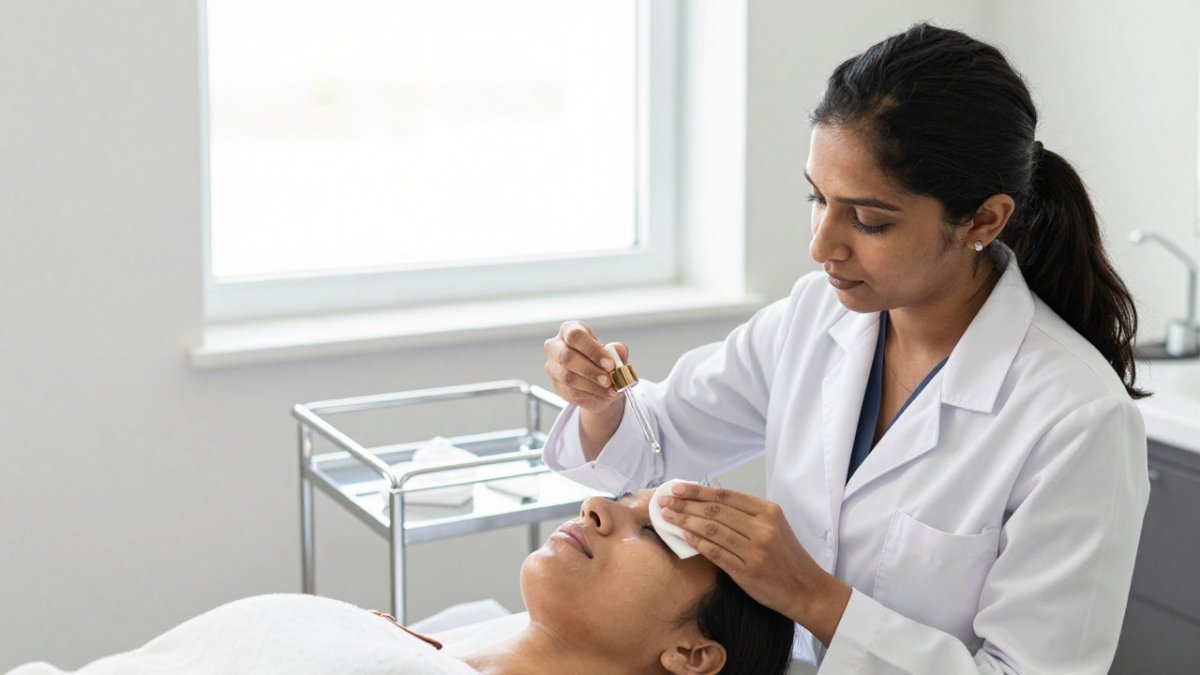
A consultation is a sensible next step if you are planning a peel. Before you commit, you can read whether professional microneedling is worth it for dark skin, including recovery and cost. At PINK MINK NYC, Dr. Syed works with melanated skin, and a consultation can help you judge whether your skin is ready and when to start prep.
Book your consultation with PINK MINK NYC to discuss your skin and your options.
Frequently Asked Questions
What skincare ingredients should I use before a chemical peel?
Melanin inhibitors such as tranexamic acid, niacinamide, alpha arbutin and kojic acid are commonly used in the weeks before a peel to reduce melanin activity and support the skin barrier. Ingredient choice depends on your skin type and history of pigmentation, so the plan should be reviewed with a qualified professional before you start. Introduce one new product at a time so any irritation can be traced to its source.
What should I avoid before a chemical peel?
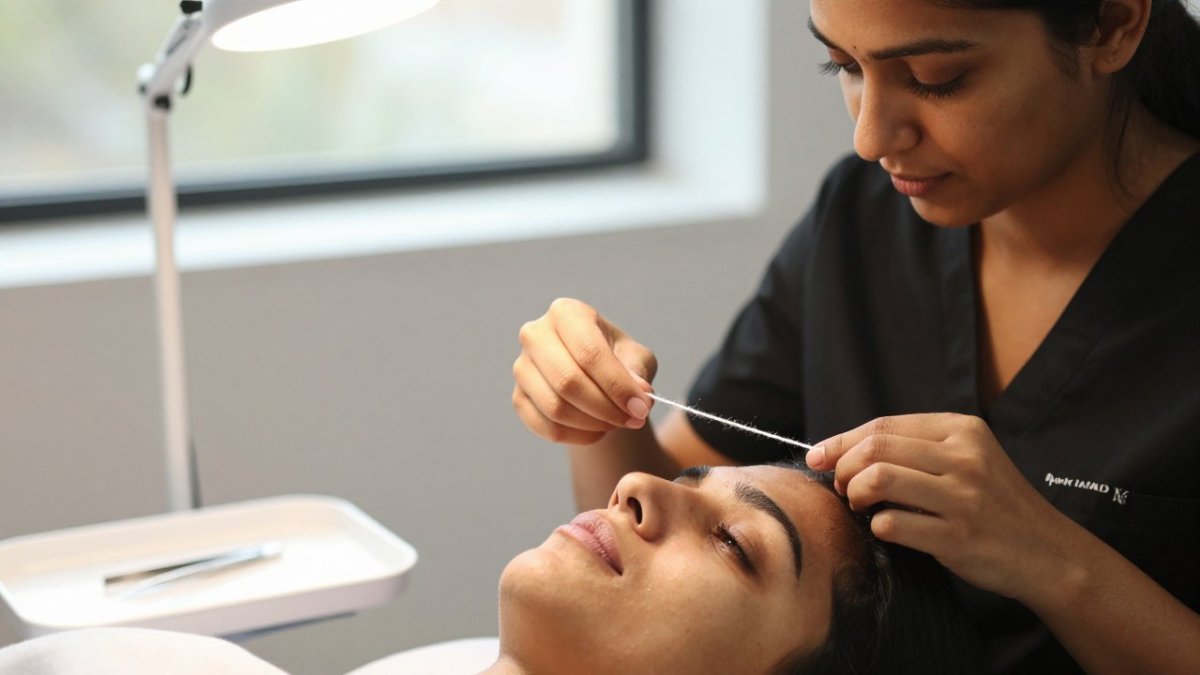
Avoid retinoids, hydroquinone, exfoliating acids and any product that causes stinging or redness in the weeks leading up to the peel. Hair removal by waxing or threading, sun exposure and tanning should also be avoided. Stop active products on the schedule your provider gives you, since timing differs by peel strength and skin type.
How do I prepare melanin-rich skin for a chemical peel?
Start a gentle melanin inhibitor routine several weeks before the peel, daily broad-spectrum sunscreen, and a barrier-supporting moisturizer. Melanin-rich skin is more prone to post-inflammatory hyperpigmentation, so an experienced provider should choose a peel strength suited to your Fitzpatrick skin type. Tell your provider about any history of dark spots or keloids before booking.
Can people with darker skin tones safely get chemical peels?
Many people with darker skin tones have chemical peels safely, but the risk of pigment changes is higher than for lighter skin, so the peel type, strength and prep routine matter a great deal. A consultation that assesses your skin type and pigmentation history is the appropriate first step. Results and safety vary by individual, so no outcome can be guaranteed.

Comments