7 Steps to Wash Your Face With Eyelash Extensions

Last Updated: October 25, 2026
Quick Summary
To wash face eyelash extensions, use an oil-free, foaming cleanser applied to clean hands first, then gently massage your eyelids and lash line with fingertips using upward and outward motions. Rinse thoroughly with lukewarm water, pat dry with a lint-free towel, and avoid rubbing, hot water, and oil-based products that weaken the adhesive bond.
Wait 24 to 48 hours after application before washing your face to allow the adhesive to fully cure.
Use only oil-free, fragrance-free, sulfate-free foaming cleansers designed for lash extensions.
Cleanse with fingertips only, never with a brush or cloth, moving upward and outward from the inner corner.
Pat dry immediately with a clean, lint-free towel and allow lashes to air dry completely before bed.
Schedule fill appointments every 2 to 3 weeks as natural lashes shed and grow.
Table of Contents
Why Washing Your Face With Eyelash Extensions Requires a Different Approach
When to Start Washing Your Face After Eyelash Extension Application
How to Clean Eyelash Extensions Step by Step
Best Face Wash for Eyelash Extensions and Cleanser Selection
Read the ingredient list, not the marketing claim
Match the product type to the job
Test before you commit
What to do if you're unsure
How to Wash Your Face Without Getting Eyelashes Wet
How to Dry Eyelash Extensions After Washing
Common Mistakes That Damage Lash Extensions and How to Avoid Them
Troubleshooting Irritation and Maintaining Lash Hygiene Long-Term
Sort the symptom before you react
When to stop a product
Keep your tools clean
Build a routine you'll actually keep
Frequently Asked Questions
Why Washing Your Face With Eyelash Extensions Requires a Different Approach
When you wash face eyelash extensions, you need a different routine than washing natural lashes. The adhesive bond is delicate, and water, oils, and rough handling can break it and cause premature shedding.
The problem isn't the water, it's the method: rubbing, tugging, and oil-based products all damage lash extensions.
You can't use your usual cleanser, scrub your eye area, or ignore water temperature and drying, but proper technique takes just a few extra seconds.
When to Start Washing Your Face After Eyelash Extension Application
Wait at least 24 to 48 hours before washing your face after getting eyelash extensions applied, so the adhesive can cure and fully bond.
During this window, avoid water entirely around the eye area: no shower spray, no splashing, no tears, moisture interferes with the adhesive setting.
After 48 hours, resume face washing only with the right technique and products.
How to Clean Eyelash Extensions Step by Step
Knowing how to wash face eyelash extensions properly protects your extensions while keeping your eye area clean and healthy.

Step 1: Use a lash-extension-safe cleanser. Choose an oil-free, foaming, water-soluble cleanser designed for lash extensions.
Step 3: Apply cleanser to clean hands first. Never apply cleanser directly to your lash line.
Step 7: Pat dry with a clean, lint-free towel. After rinsing, gently pat your face and eye area dry.
Step | Action | Key Detail |
1 | Use a lash-extension-safe cleanser | Oil-free, foaming, water-soluble formula |
2 | Wet your face with lukewarm water | Avoid hot water; it weakens adhesive |
3 | Apply cleanser to clean hands first | Never apply directly to lash line |
4 | Cleanse eyelids and lash line with fingertips | Move upward and outward from inner corner |
5 | Avoid rubbing or pulling | Use gentle, light pressure only |
6 | Rinse thoroughly with lukewarm water | Continue until water runs clear |
7 | Pat dry with a clean, lint-free towel | Never rub; use soft towel only |
Best Face Wash for Eyelash Extensions and Cleanser Selection
Choosing the right cleanser is half the battle. Your regular face wash probably won't work, and "oil-free" on the label isn't enough, the ingredient list is what actually touches your adhesive.
The Lash Lounge
Best Oil-Free Makeup Remover for Lashes: 2026 Guide covers specific product recommendations, but here's how to evaluate any cleanser yourself.
Read the ingredient list, not the marketing claim
Ingredients are listed from highest to lowest concentration until 1%, after which order is at the manufacturer's discretion.
Oil and oil-derived ingredients to flag. Lash adhesive is a cyanoacrylate-based bond, and oils gradually break that bond down. Watch for these on the label:
Plant and nut oils: coconut oil, argan oil, jojoba oil, olive oil, sunflower seed oil, sweet almond oil, castor oil, avocado oil, shea butter
Ester and silicone-type emollients that behave like oils: isopropyl myristate, isopropyl palmitate, cetyl ethylhexanoate, caprylic/capric triglyceride, dimethicone and other silicones
Cleansing agents built on oils: sodium cocoyl isethionate is generally considered gentle, but oil-based cleansing balms and cleansing oils are the products to avoid outright
Ingredients that are usually fine. Water (aqua) first, glycerin, gentle surfactants like cocamidopropyl betaine or sodium cocoyl glycinate, and preservatives like phenoxyethanol are common in extension-safe foaming cleansers.
Sulfates. SLS and SLES are strong detergents.
Fragrance and essential oils. Fragrance, lavender, peppermint, eucalyptus, and citrus oils are common eye irritants.
Pro Tip If you can't pronounce half the list, that's not the problem, the problem is an oil, a heavy silicone, or a fragrance in the first several ingredients. Those three categories are what most often affect retention and comfort.
Match the product type to the job
Not every cleanser format suits lash extensions, even when oil-free.
Foaming lash cleansers: The best default. The lather lifts debris with minimal friction, and most rinse clean without residue.
Gel cleansers: Workable if oil-free and fragrance-free, but some leave a film that builds up at the lash line.
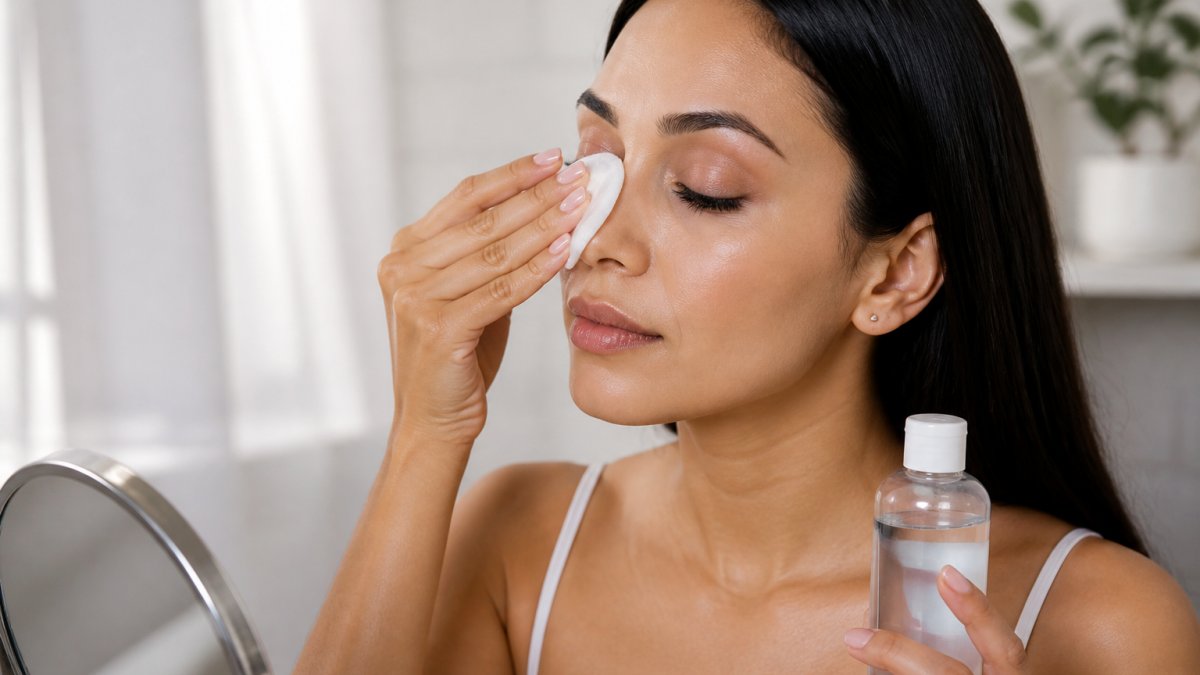
Micellar water: Often contains mild surfactants and sometimes oils, and typically requires a cotton pad, which means friction at the lash line. Not a good fit for daily use.
Cleansing balms and cleansing oils: Avoid. They are oil-based by design and dissolve adhesive.
Makeup remover wipes: Avoid around the eyes. The cloth creates friction and many wipes contain oils or alcohol.
Test before you commit
Before using a new cleanser on a full set, patch test it: apply a small amount to the inner forearm, rinse, and wait 24 hours for redness or itching. Then try one small area of the face before adopting it daily.
What to do if you're unsure
Ask your lash professional what cleanser they recommend and why, most work with one or two trusted formulas. If choosing alone, prioritize oil-free, fragrance-free, sulfate-free, foaming, and water-soluble; a product meeting all five is a reasonable start even if not marketed for lashes.
How to Wash Your Face Without Getting Eyelashes Wet
Getting your lash extensions wet isn't forbidden, but it requires care. The adhesive is water-resistant once fully cured, but water can weaken the bond over time.
Here's how to minimize water exposure:
Wash your face separately from your lashes. Cleanse your forehead, cheeks, nose, and chin first, then address the eye area with a separate, controlled approach.
Tilt your head back slightly when rinsing. Under a faucet, tilt back so water runs toward your neck rather than into your eyes, reducing contact with the lash line. (Source: American Academy of Ophthalmology's recommendations for eye hygiene)
Use a washcloth for other areas. A soft washcloth is fine on forehead and cheeks, but use fingertips only for the eye area to keep abrasive contact away from your lashes.
Pat your eye area dry immediately. Dry the lash line and eyelids right after rinsing, don't let water sit. Pat gently with a clean towel until dry.
How to Dry Eyelash Extensions After Washing
Proper drying prevents moisture from weakening the adhesive bond and keeps your lashes looking their best.
Air dry when possible. After patting, let your lashes air dry naturally.
Avoid heat. Don't use a blow dryer on your lashes. Heat can damage the adhesive and warp the extensions.
Never sleep with wet lashes. Make sure your lashes are fully dry before bed.
Common Mistakes That Damage Lash Extensions and How to Avoid Them
Here are the mistakes that cost clients their lashes:
Using oil-based products. Oil is the fastest way to destroy lash adhesive. This includes oil-based makeup removers, cleansing oils, and regular face washes that contain oils. Even "lightweight" oils damage extensions over time.
Using a washcloth or brush on your lash line. Cloth and bristles create friction.
Pulling or tugging while cleansing. Some people unconsciously pull their eyelids tight while washing.
Hot water. Hot water weakens the adhesive and can irritate your eyes.
Skipping the cleanser step. Some people try to just rinse their face with water.
Not drying thoroughly. Moisture left on your lashes can weaken the adhesive over time.
Troubleshooting Irritation and Maintaining Lash Hygiene Long-Term
Irritation around the eye area can happen even with proper care. The useful question is not "is this normal?" but "which of these four things is it?", because each has a different response. The categories below are general guidance, not a diagnosis.
Sort the symptom before you react
1. Mild sensitivity right after application. A little redness or tightness along the lash line in the first 24 to 48 hours is common and usually settles.
2. Product irritation. Itching, stinging, or watering that starts when you introduce a new cleanser, makeup, or skincare product is often contact irritation.
**3.
4. Infection or buildup. Tenderness, crusting, discharge, a gritty feeling, or redness that worsens over several days points toward irritation from buildup or a possible infection at the lash line.
Watch Out Stop using any product and seek professional advice if you experience eye pain, blurred vision, light sensitivity, swelling that affects the eyelid, or discharge. These are not typical aftercare issues and should not be managed with cleanser changes alone.
When to stop a product
A simple rule: if a product causes stinging, itching, or redness that wasn't there before you started it, stop it. Don't layer a second product on top to counter the first. Return to the routine that was working, let the eye area settle, and reintroduce products one at a time if you want to identify the trigger.
Keep your tools clean
Hygiene is not only about the cleanser. The tools you use around your eyes can reintroduce bacteria and oils.
Lash brush: Rinse it after each use with lukewarm water and a drop of lash-safe cleanser, shake off excess water, and let it air dry bristle-side up. Replace it if bristles bend, splay, or discolour. A clean brush also separates lashes without dragging.
Towels: Use a clean, lint-free towel or a fresh paper towel for the eye area. A towel that has been used on the rest of the face can carry oils and residue.
Hands: Wash your hands before touching your lashes or lash line, every time. This is the single most overlooked hygiene step.
Pillowcases: Wash pillowcases regularly, especially if you sleep on your side or face-down. Oils and residue from hair and skin transfer to the pillowcase and then to your lashes.
Build a routine you'll actually keep
A workable daily routine looks like this: cleanse the face with a lash-safe cleanser morning and night, clean the lash line gently with fingertips, rinse thoroughly with lukewarm water, pat dry with a lint-free towel, and brush lashes once fully dry.
Schedule regular fill appointments. Lash extensions need fills every 2 to 3 weeks as your natural lashes shed and grow. Regular fills keep your lashes looking full and give a professional a chance to check for hygiene or adhesive issues you might not notice yourself.
PINK MINK NYC lash and brow aftercare guide walks you through comprehensive maintenance steps to keep your extensions flawless longer.
Frequently Asked Questions
How soon after eyelash extension application can I wash my face?
Wait at least 24-48 hours after your appointment before washing your face. The lash adhesive needs time to fully cure and bond to your natural lashes. During this period, avoid water, steam, and excessive moisture around the eye area. After the initial cure time, you can resume your normal face-washing routine, but always use gentle, oil-free products and avoid direct water pressure on the lash line.
What is the best face wash for eyelash extensions?
Use a gentle, oil-free foaming cleanser specifically formulated to be extension-safe. Oil-based products break down the lash adhesive bond, causing premature shedding. Look for cleansers labeled as lash-extension-safe or oil-free. Avoid makeup removers, micellar water, and products containing oils or heavy moisturizers. Apply cleanser with clean fingertips or a soft brush, working gently around the lash line without rubbing or tugging on the extensions.
How often should I clean my eyelash extensions?
Wash your lash extensions daily as part of your regular face-washing routine. Daily cleansing removes makeup residue, dust, and bacteria that accumulate on the lash line and extensions. This maintains both hygiene and lash retention. Gentle daily cleaning prevents buildup that can weaken the adhesive bond or cause irritation. If you wear eye makeup, cleanse more carefully that evening to remove all residue from the lash line and eyelids.
What should I avoid when washing my face with eyelash extensions?
Avoid rubbing, tugging, or pulling on your extensions during any part of your face-washing routine. Do not use oil-based products, hot water, or steam near the eye area. Skip makeup removers and heavy creams around the lashes. Never use a regular brush or washcloth directly on the extensions. Avoid sleeping face-down or rubbing your eyes before bed. Do not expose fresh extensions to chlorinated water or saltwater for at least 48 hours after application. These habits damage the lash adhesive and cause premature shedding.
BOOK NOW
Add pinkminknyc.com as a preferred source on Google →
Comments