Hair-Free Lifestyle: Benefits, Methods & Long-Term Results

Table of Contents
What Is a Hair-Free Lifestyle?
Primary Benefits of Choosing a Hair-Free Lifestyle
How to Prepare Skin for Laser Hair Removal
Laser Hair Removal for PCOS: What You Need to Know
Laser Hair Removal for Melanated Skin: Safety and Effectiveness
Common Hair Removal Methods: Comparing Your Options
Managing Skin Health and Preventing Irritation
The Psychology and Confidence Benefits
Frequently Asked Questions
Last Updated: September 3, 2026
What Is a Hair-Free Lifestyle?
A hair-free lifestyle is the choice to remove body hair regularly or permanently through professional or at-home methods, maintaining smooth skin as a personal grooming preference. This combines aesthetic choice with practical self-care, extending beyond simple shaving to include long-term solutions like laser hair removal and electrolysis.
The decision reflects individual preferences about appearance, comfort, and confidence. For some, it's about feeling smoother skin during physical activity or intimate moments. For others, it addresses hormonal hair growth conditions like PCOS or represents a personal beauty standard. The key distinction is that this isn't a temporary grooming habit, it's a sustained commitment to maintaining hair-free skin through deliberate methods and aftercare routines.
At PINK MINK NYC, we work with clients every day who are exploring what a hair-free lifestyle means for them personally. Some arrive after years of frustration with razors and waxing. Others seek solutions for hormonal hair growth that standard methods can't address. Understanding what a hair-free lifestyle entails means recognizing the range of methods available, the commitment required, and the real benefits beyond aesthetics. It's about informed choice, not obligation.
Primary Benefits of Choosing a Hair-Free Lifestyle
The advantages extend far beyond appearance. Smooth skin eliminates friction and irritation from constant shaving or waxing, reducing ingrown hairs and folliculitis, inflammation of the hair follicles that causes painful bumps and discoloration.
Practical comfort improvements matter significantly. Without daily or weekly hair removal routines, you reclaim time and mental energy. No more razor burn, razor bumps, or infected ingrown hairs. For people with sensitive skin or PCOS-related excessive hair growth, this shift is genuinely life-changing.
Skin health improves measurably. Constant shaving damages the skin barrier, the protective layer that keeps moisture in and irritants out (peer-reviewed research). When you eliminate frequent shaving, your skin barrier recovers, resulting in less dryness, fewer breakouts along the bikini line or underarms, and reduced hyperpigmentation.
Confidence and psychology matter. Feeling comfortable in your own skin affects how you move through the world. Whether at the beach, in a gym, or in intimate situations, the absence of hair-related anxiety creates mental space for other things.
Long-term cost savings emerge over time. While professional laser hair removal requires upfront investment, the math shifts dramatically after 12-18 months. You're no longer buying razors, shaving cream, or paying for waxing appointments. The cumulative spend on disposable methods often exceeds the cost of professional treatment.
How to Prepare Skin for Laser Hair Removal
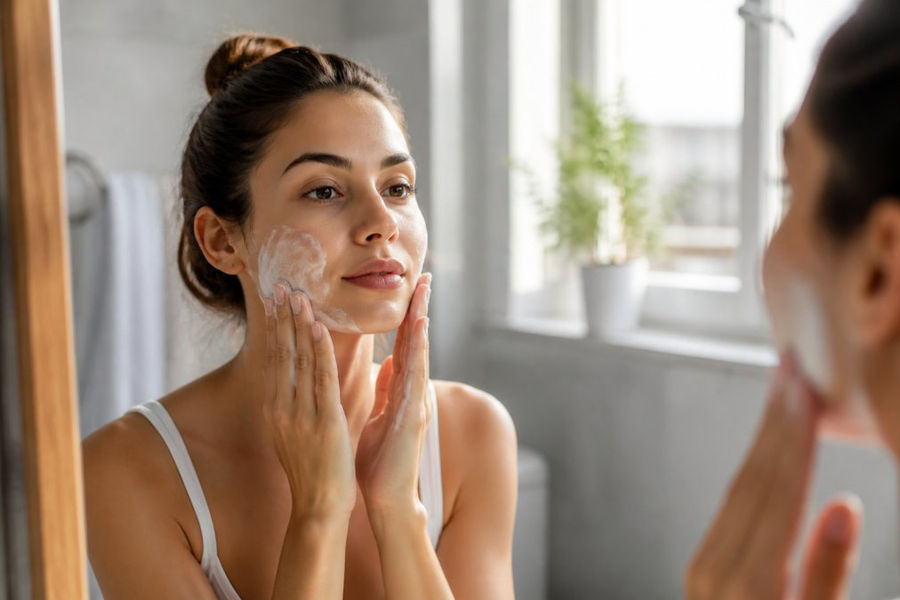
Preparing your skin properly before laser hair removal is essential for optimal results and minimal side effects. The preparation phase typically spans 2-4 weeks before your first appointment.
Stop all forms of hair removal except shaving. Waxing, plucking, and threading remove hair from the root, and the laser needs the hair shaft intact beneath the skin to work effectively. Stop waxing at least 2-3 weeks before your appointment (the American Academy of Dermatology).
Avoid sun exposure and tanning. UV exposure darkens your skin and makes laser treatment riskier; the laser can't distinguish between melanin in your skin and melanin in the hair. Stop tanning immediately and avoid direct sun for at least 2 weeks before treatment. Use SPF 30 or higher daily.
Exfoliate gently 2-3 days before your appointment. Dead skin cells can block the laser's access to hair follicles. Use a gentle exfoliating scrub or chemical exfoliant to remove surface buildup. Don't over-exfoliate; once is enough.
Moisturize consistently. Hydrated skin responds better to laser treatment and heals faster afterward. Use a fragrance-free moisturizer daily for the week leading up to your appointment.
Avoid irritating skincare products. Stop using retinoids, vitamin C serums, and acids for at least 3-5 days before treatment. These products make skin more sensitive and can cause excessive inflammation when combined with laser.
Shave the area 12-24 hours before your appointment. The hair needs to be just below the skin surface for the laser to target it effectively.
Laser Hair Removal for PCOS: What You Need to Know
PCOS triggers excess androgen production, leading to unwanted hair growth on the face, chest, back, and bikini line. This hormonal hair, called hirsutism, grows thicker and darker than typical body hair and resists standard removal methods.
How laser targets PCOS hair. Laser works by targeting melanin in the hair shaft and damaging the follicle. PCOS-related hair is often darker and thicker than regular body hair, which makes it a better target for the laser. The darker the hair, the more effectively the laser can lock onto it.
The hormonal challenge. PCOS is a systemic condition. Even after successful laser treatment eliminates existing hair, new hair will continue to grow because the underlying hormonal imbalance persists. This means laser hair removal for PCOS isn't a permanent cure; it's a long-term management solution. You may need maintenance sessions every 6-12 months after completing your initial series.
Results timeline for PCOS. Most people with PCOS see significant reduction in hair growth after 3-6 sessions spaced 4-6 weeks apart. Some achieve near-complete clearance; others see 70-80% reduction with finer, lighter regrowth. The variability depends on your specific hormone levels, hair darkness, skin type, and laser technology used. At PINK MINK NYC, we tailor treatment plans based on individual response.
Managing expectations. If you have PCOS, understand that laser is not a one-time solution. It works best alongside other PCOS management strategies, whether that's medication, lifestyle changes, or hormonal birth control. Managing PCOS symptoms through diet, exercise, or medication can actually slow hair regrowth, making laser results more durable.
Skin sensitivity with PCOS. People with PCOS sometimes have concurrent skin conditions like acne or folliculitis, making skin more sensitive to laser treatment. Proper pre- and post-treatment care becomes even more critical. Your provider should assess your skin condition before treatment.
Laser Hair Removal for Melanated Skin: Safety and Effectiveness
Melanated skin requires specialized laser technology and expertise because standard lasers carry genuine risks of burns, hyperpigmentation, and hypopigmentation. This is a critical safety issue that separates competent providers from those lacking the knowledge to treat darker skin tones safely.
The melanin challenge. All skin contains melanin, but melanated skin contains more of it. Traditional lasers target melanin to destroy hair follicles but can't distinguish between melanin in the hair and melanin in the skin itself. On darker skin, the risk of the laser damaging surrounding skin increases significantly.
Modern laser technology changes this. Longer-wavelength lasers (like Nd:YAG lasers operating at 1064nm) penetrate deeper into the skin and are absorbed less by epidermal melanin, making them safer for melanated skin (peer-reviewed research). These lasers target the hair follicle specifically without as much risk to surrounding skin.
Fitzpatrick skin type matters. The Fitzpatrick scale classifies skin from Type I (very fair) to Type VI (very dark). Lasers need to be calibrated differently for different skin types. A provider who understands Fitzpatrick classification and adjusts settings accordingly can treat melanated skin safely.
Real risks and how to mitigate them. Hyperpigmentation (darkening) and hypopigmentation (lightening) are the primary concerns for melanated skin undergoing laser treatment. These can occur if laser settings are too aggressive or if post-treatment care is inadequate. Sun exposure after treatment dramatically increases hyperpigmentation risk. Strict sun avoidance and SPF 50+ for at least 2 weeks post-treatment is non-negotiable.
Finding a qualified provider. Ask directly: Does the provider have experience treating your specific skin tone? What laser technology do they use? Can they show before-and-after photos of melanated skin clients? At PINK MINK NYC, we specialize in melanated skin and use technology specifically calibrated for diverse Fitzpatrick skin types. This specialization is a safety requirement.
Aftercare is more critical for melanated skin. Post-treatment care determines whether you see results or complications. This means rigorous sun protection, gentle skincare, and avoiding irritating products for at least 1-2 weeks after treatment.
Common Hair Removal Methods: Comparing Your Options
Understanding the landscape of hair removal methods helps you make an informed decision about what fits your lifestyle and goals.
Method | Duration of Results | Frequency | Best For | Key Drawback |
Shaving | 1-3 days | Every 1-3 days | Quick touch-ups | Razor burn, ingrown hairs |
Waxing | 3-6 weeks | Monthly | Larger areas | Pain, skin irritation, cost |
Depilatory creams | 3-7 days | Weekly | Sensitive skin | Chemical smell, inconsistent results |
Electrolysis | Permanent | 6-12 months for completion | Small areas, light hair | Slow, expensive, time-intensive |
Laser hair removal | Long-term (6+ months between sessions) | 4-6 sessions initially, then maintenance | Large areas, dark hair | Upfront cost, requires multiple sessions |
Shaving offers immediate results and low cost, but hair grows back within days. It causes razor burn, ingrown hairs, and requires constant maintenance. For people with hormonal hair growth or sensitive skin, daily shaving becomes a source of irritation.
Waxing removes hair from the root, extending results to 3-6 weeks. It's painful, causes temporary redness and irritation, and can lead to ingrown hairs. The cumulative cost adds up; a monthly waxing habit costs hundreds annually. For people with PCOS or melanated skin prone to hyperpigmentation, the trauma from waxing can trigger darkening or inflammation.
Depilatory creams dissolve hair chemically without pain. Results last 3-7 days. The chemical smell is strong, and results are inconsistent. Sensitivity reactions are common, especially on sensitive or irritated skin.
Electrolysis is the only truly permanent hair removal method. A technician inserts a needle into each individual hair follicle and uses electrical current to destroy it. Results are permanent, but the process is slow, expensive, and requires multiple sessions spread over months or years. It's best for small areas or people with light-colored hair that lasers can't target effectively.
Laser hair removal sits between temporary methods and electrolysis. It targets multiple hairs simultaneously, making it fast for large areas. Results last 6+ months after the initial series, with maintenance sessions needed annually or less frequently. The upfront cost is significant, but the long-term math favors laser for most people seeking durable results.
Managing Skin Health and Preventing Irritation
Maintaining skin health during a hair-free lifestyle requires intentional aftercare, especially with professional methods like laser.
Post-laser care is critical. Immediately after laser treatment, your skin is inflamed and vulnerable. Avoid hot showers, intense exercise, and tight clothing for at least 24-48 hours. Heat increases inflammation and can trigger hyperpigmentation. Use fragrance-free cleansers and avoid products with alcohol, retinoids, or acids for at least 3-5 days.
Sun protection is non-negotiable. UV exposure after laser treatment causes hyperpigmentation and can worsen inflammation. Use SPF 30 or higher daily for at least 2 weeks post-treatment. For melanated skin, SPF 50+ is the standard. Avoid direct sun exposure entirely if possible during the first week.
Prevent ingrown hairs. Ingrown hairs occur when new hair grows back and curves into the skin instead of exiting the follicle. Gentle exfoliation 3-4 times per week helps prevent this. Use a soft exfoliating brush or a chemical exfoliant like glycolic acid. Avoid aggressive scrubbing.
Address folliculitis early. Folliculitis is inflammation of the hair follicle, often caused by bacteria or irritation. It presents as small red bumps, sometimes with white centers. If you notice signs, stop exfoliating immediately and use a gentle cleanser with salicylic acid or benzoyl peroxide. If it doesn't improve within a few days, consult a dermatologist.
Moisturize consistently. A healthy skin barrier heals faster and resists irritation better. Use a fragrance-free, non-comedogenic moisturizer twice daily. Look for ingredients like ceramides, hyaluronic acid, or glycerin that support barrier function.
Avoid irritating products. In the weeks following laser treatment, your skin is sensitive. Skip retinoids, vitamin C, acids, and other active ingredients. Stick to gentle cleansers, moisturizers, and sunscreen.
The Psychology and Confidence Benefits
The mental and emotional impact of a hair-free lifestyle often surprises people. It extends far beyond vanity to self-image, confidence, and how you move through the world.
Removing the constant mental load. For people with hormonal hair growth or those who shave daily, hair removal becomes a background anxiety. You're always aware of stubble or regrowth. Eliminating that constant awareness creates surprising mental space.
Confidence in physical activity. Swimmers, athletes, and people who exercise regularly often cite confidence as a major factor. Without worrying about visible hair or stubble, you can focus on your workout or sport.
Intimacy and comfort. In intimate contexts, smooth skin often increases comfort and confidence for both partners. Feeling good in your body during intimate moments matters.
Challenging beauty standards. Conversely, choosing NOT to remove body hair is equally valid. The point is choice. A hair-free lifestyle helps when it's your deliberate decision, not something you feel obligated to do.
Body positivity and self-acceptance. A hair-free lifestyle can be part of self-care and body positivity, taking intentional steps to feel comfortable in your own skin. It's not about conforming to external standards; it's about aligning your appearance with how you want to feel.
Choosing a hair-free lifestyle is a personal decision that combines aesthetic preference with practical comfort. Whether you're managing hormonal hair growth, seeking long-term results, or simply preferring the feel of smooth skin, the methods available today offer real solutions.
If you're considering professional laser hair removal, PINK MINK NYC specializes in treatments tailored to your specific needs, including expertise in PCOS-related hair growth and melanated skin. Our approach combines advanced laser technology with personalized aftercare designed for your skin type, backed by a lifetime satisfaction guarantee. Book now to explore how laser hair removal can support your hair-free lifestyle goals.
Frequently Asked Questions
Q: What are the primary benefits of choosing a hair-free lifestyle?
A: A hair-free lifestyle offers multiple advantages beyond aesthetics. Many people report improved confidence and self-esteem, reduced time spent on daily grooming routines, and better hygiene and comfort, especially in warm weather. Long-term methods like laser hair removal eliminate the need for frequent shaving or waxing, reducing skin irritation and ingrown hairs. The smooth skin and freedom from visible hair growth can enhance your sense of personal maintenance and self-care.
Q: How does professional laser hair removal differ from at-home shaving?
A: Professional laser hair removal targets hair follicles below the skin's surface, reducing hair growth over multiple sessions, whereas shaving only cuts hair at the epidermis and requires constant maintenance. Laser treatments deliver long-term results, many people achieve significant hair reduction in as few as three sessions, while shaving provides temporary smoothness lasting only days. Professional treatments are customized to your skin type and hair color, reducing the risk of irritation, ingrown hairs, and folliculitis that commonly occur with razors.
Q: Is a hair-free lifestyle suitable for those with PCOS or hormonal hair growth?
A: Yes, professional laser hair removal can be highly effective for PCOS-related hair growth. Laser targets actively growing hair follicles, and with the right technique tailored to hormonal patterns, it delivers lasting results even with PCOS. However, because PCOS causes ongoing hormonal fluctuations, some regrowth may occur over time. A qualified professional experienced in hormonal hair growth can design a treatment plan that addresses your specific needs and may recommend maintenance sessions to manage new growth cycles.
Q: What should you know before starting a permanent hair reduction journey?
A: Before beginning laser hair removal or other long-term methods, consult a professional to assess your skin type, hair color, and any underlying conditions. Understand that results vary based on hair density, skin tone, and the hair growth cycle. Prepare your skin by avoiding sun exposure, discontinuing certain medications if advised, and following pre-treatment skincare protocols. Set realistic expectations, most people see significant reduction rather than complete permanent removal, and maintenance may be needed. Choose a provider experienced with your specific skin type to minimize risk of irritation or complications.
BOOK NOW
This article was written using GrandRanker


Comments