Peach Fuzz Laser Alternatives: 5 Options That Work

Table of Contents
Why Laser Hair Removal Fails on Fine Facial Hair
Dermaplaning vs Laser for Peach Fuzz: Which Works Better How Dermaplaning Removes Vellus Hair Pros and Cons of Dermaplaning vs Laser
How Dermaplaning Removes Vellus Hair
Pros and Cons of Dermaplaning vs Laser
At-Home Dermaplaning Devices for Peach Fuzz Removal
Threading and Other Manual Methods for Fine Hair
Managing PCOS Facial Hair Without Laser Treatment
Comparison of Peach Fuzz Laser Alternatives
When Professional Treatment Makes Sense
Conclusion
Last Updated: August 28, 2026
Why Laser Hair Removal Fails on Fine Facial Hair
Laser hair removal is designed to target pigment in the hair shaft. When you're dealing with peach fuzz, the fine, light vellus hair that covers most faces, that pigment density drops dramatically. The laser wavelength passes right through without generating enough heat to damage the follicle.
This is where most people hit a wall. They've heard laser works for body hair, so they assume it'll work for facial hair too. The reality is different. Fine hair, especially on lighter skin tones, simply doesn't absorb enough laser energy to be permanently removed. On melanated skin, the challenge shifts: the laser targets melanin in the epidermis as aggressively as it targets hair, risking burns, discoloration, or paradoxical hypertrichosis, where treated hair actually grows back thicker and darker (peer-reviewed research).
The industry doesn't talk about this much. Clinics have financial incentives to recommend laser for everything. But if you're researching peach fuzz laser alternatives, it's because laser either didn't work for you or you're smart enough to skip the expense and frustration upfront.
The good news: there are proven methods that actually work on fine facial hair. Some are faster than laser. Most are cheaper. And unlike laser on vellus hair, they deliver visible results in your first session.
Dermaplaning vs Laser for Peach Fuzz: Which Works Better
Dermaplaning removes peach fuzz by physically scraping away both dead skin cells and vellus hair using a surgical-grade scalpel held at a 45-degree angle (the American Academy of Dermatology). It's exfoliation and hair removal in one step. Laser, by contrast, attempts to heat the hair follicle from within, a process that fails on fine hair because there's not enough melanin to absorb the energy.
The difference in results is immediate. After dermaplaning, your skin feels smooth, looks brighter, and absorbs skincare products better. With laser on peach fuzz, you often see no visible change at all.
How Dermaplaning Removes Vellus Hair
Dermaplaning works because it's mechanical, not thermal. The blade removes the entire hair at the skin surface and exfoliates the stratum corneum, the outermost layer of dead skin cells. This dual action is why results are visible the same day.
The procedure takes 20-30 minutes in a professional setting. Your aesthetician applies a numbing cream first, then uses light, controlled strokes across the face. You'll feel a gentle scraping sensation, not pain. The removed hair and dead skin are wiped away, and a hydrating serum is applied. Many clinics follow with a hydrating mask or LED light therapy to calm the skin.
At-home dermaplaning uses the same principle but with lower-risk blade designs. Tools like the Kitsch Recycled Plastic Dermaplaners feature stainless steel blades in a protective guard, making accidental cuts less likely than with a surgical blade. The tradeoff: at-home results are gentler but still effective for maintenance between professional treatments.
One critical point: dermaplaning does not cause hair to grow back thicker or darker (the American Academy of Dermatology). This is a myth. You're removing vellus hair, which is naturally fine. When it regrows (in 3-4 weeks), it's the same fine texture. The appearance of thicker regrowth is psychological, you've been used to seeing smooth skin, so any stubble looks darker by contrast.
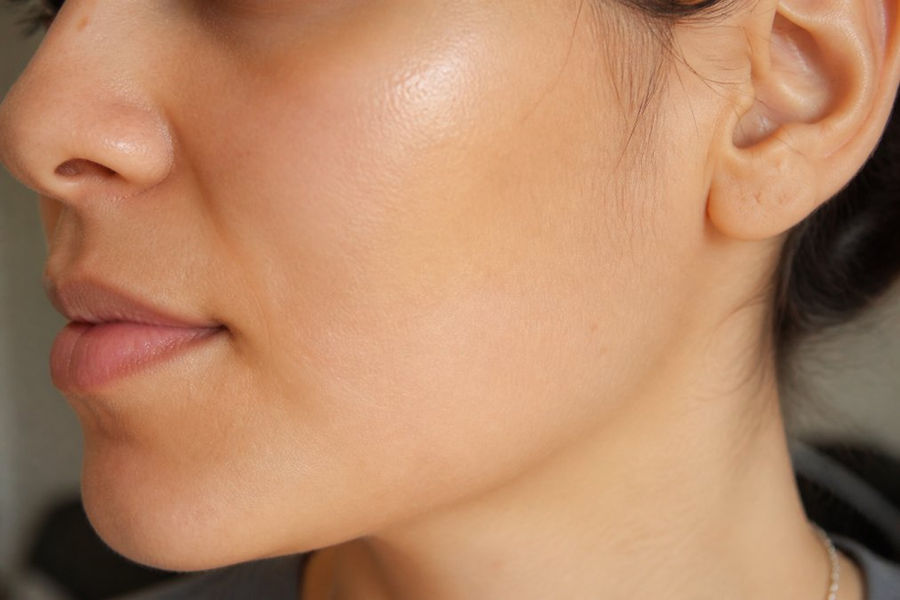
Pros and Cons of Dermaplaning vs Laser
Dermaplaning Pros:
Immediate visible results (same day)
Works on all skin tones, including melanated skin
No risk of paradoxical hypertrichosis
Exfoliates while removing hair
Professional treatment takes 20-30 minutes
Results last 3-4 weeks with proper maintenance
Dermaplaning Cons:
Requires repeat treatments every 3-4 weeks for maintenance
Temporary results (hair regrows)
Professional treatments cost more per session than at-home tools
Requires skilled technique to avoid irritation
Not suitable immediately after active acne or open wounds
Laser Hair Removal Pros:
Theoretically permanent (on thick, dark hair)
Fewer sessions needed over time (if it works)
Laser Hair Removal Cons:
Ineffective on fine, light vellus hair
Risk of burns on melanated skin
Risk of paradoxical hypertrichosis (hair grows back thicker)
Expensive ($200-$500+ per session)
Multiple sessions required (often 6-12)
Recovery time with redness and sensitivity
Does not exfoliate or improve skin texture
For peach fuzz specifically, dermaplaning wins on every metric: speed, safety, cost per visible result, and suitability across skin tones.
At-Home Dermaplaning Devices for Peach Fuzz Removal
If professional dermaplaning fits your budget and schedule, that's the gold standard. But at-home options exist for maintenance and for those managing their own routine.
The Kitsch Recycled Plastic Dermaplaners are the most accessible entry point. A pack of 6 costs around $10-12, making them disposable and low-risk for beginners. The blades are 100% stainless steel, and the design includes a safety guard to reduce cutting risk. Use one every 3-4 weeks after cleansing your face. Results are comparable to professional dermaplaning, though the blade angle and pressure depend entirely on your technique.
The DERMAFLASH LUXE+ Advanced Sonic Dermaplaning device represents the premium at-home option. At $199, it's a significant investment, but it's reusable and designed for safety. The device uses proprietary sonic technology, essentially vibration, to enhance the exfoliation effect while the blade removes hair. It includes the PREFLASH Essential Skin Prep cleanser and a charging base. The Microfine Edges are designed to protect against nicks, and the device is safe for all skin tones. Replacement blades are required for ongoing use, adding to the long-term cost.
Both options avoid the risks of laser while delivering consistent, visible results. The choice depends on your comfort with manual blade handling and your budget. Manual dermaplaners are cheaper upfront but require more technique and carry slightly higher injury risk. The sonic device is more forgiving and may feel more luxurious, but the initial cost is steeper.
One thing to know: neither at-home option will match the precision or depth of a professional dermaplaning treatment performed by a trained aesthetician. But for maintenance between professional sessions or as a standalone routine, they're effective.
Threading and Other Manual Methods for Fine Hair
Threading is an ancient hair removal method that's particularly effective on fine facial hair. A twisted cotton thread is rolled across the skin, trapping and pulling out hair from the root. Unlike shaving, threading removes the entire hair, so regrowth is softer. Unlike laser, it works on all hair colors and skin tones.
Threading takes 15-20 minutes in a professional setting and costs $15-30. Results last 3-4 weeks. The main drawback is discomfort, threading can feel like plucking, and sensitive skin may redden temporarily. It's also highly dependent on the technician's skill. A good threading artist is precise and fast. A poor one leaves patchy results and irritation.
Tweezing is the DIY equivalent, but it's time-consuming for full-face peach fuzz removal. It works, but it's impractical for anything beyond shaping eyebrows or removing a few stray hairs.
Shaving is the fastest, cheapest method. A razor removes peach fuzz instantly and costs almost nothing. The downside: results last only 1-2 days, and daily shaving can irritate sensitive facial skin. For maintenance between other treatments, shaving works. As a standalone peach fuzz solution, it's not practical long-term.
Waxing is another option, though it's less popular for fine facial hair. Hot or soft wax removes hair from the root, giving 3-4 weeks of smoothness. The trade-off is potential irritation, especially on sensitive skin. Waxing also works better on thicker hair, fine vellus hair sometimes doesn't adhere well to wax, leading to incomplete removal.
The hierarchy for fine hair removal: dermaplaning for best results, threading for precision and longevity, shaving for quick maintenance, waxing as a secondary option.
Managing PCOS Facial Hair Without Laser Treatment
PCOS (Polycystic Ovary Syndrome) causes elevated androgens, male hormones, that stimulate hair growth on the face, chest, and body. This hair is often coarser and darker than typical peach fuzz, making it more visible and frustrating.
The misconception is that laser is the only solution for hormonal hair. It's not. In fact, laser on PCOS-related hair carries higher risks because the hair is often darker and thicker, increasing the chance of burns on melanated skin and paradoxical hypertrichosis if the settings aren't perfect.
Dermaplaning works on PCOS facial hair the same way it works on peach fuzz, by mechanically removing the hair and exfoliating. The difference is that PCOS hair regrows faster and thicker than vellus hair, so maintenance is more frequent. Many people with PCOS dermaplaning every 2-3 weeks instead of 4 weeks.
Threading is also effective for PCOS hair because it removes from the root, giving longer-lasting smoothness (3-4 weeks). Some people alternate: dermaplaning one week, threading 3 weeks later, repeating the cycle.
The real solution for PCOS facial hair is twofold: manage the hormonal imbalance medically (with a dermatologist or endocrinologist) and manage the visible hair with consistent removal. Medication like spironolactone reduces androgens and slows hair growth over time. While that's working, dermaplaning or threading keeps facial hair manageable.

At PINK MINK NYC, we work with many clients managing PCOS-related hair growth. The approach is personalized: some clients benefit from professional dermaplaning combined with medical management. Others prefer threading. The key is finding what works for your skin type, hair texture, and lifestyle, then sticking with it while addressing the underlying hormonal factors.
Comparison of Peach Fuzz Laser Alternatives
Method | Duration | Results Last | Best For | Cost Per Session |
Professional Dermaplaning | 20-30 min | 3-4 weeks | Fine hair, all skin tones | Pricing available upon consultation |
At-Home Dermaplaning (Manual) | 10-15 min | 3-4 weeks | Maintenance, budget-conscious | $2-3 per tool |
Sonic Dermaplaning Device | 10-15 min | 3-4 weeks | Consistent results, less skill required | $199 upfront |
Threading | 15-20 min | 3-4 weeks | Precision shaping, all hair colors | $15-30 |
Shaving | 5-10 min | 1-2 days | Quick touch-ups | $0-5 |
Waxing | 15-20 min | 3-4 weeks | Thicker hair, longer-lasting | $25-50 |
Professional dermaplaning dominates this comparison because it combines speed, safety, and results across all skin tones. It exfoliates while removing hair, improving skin texture in a single treatment.
For ongoing maintenance, at-home dermaplaning tools offer the best value. Manual dermaplaners are nearly free. The sonic device costs more upfront but provides consistent, safer results if you're uncomfortable with blade handling.
Threading is underrated. It's precise, works on all hair types, and costs less than professional dermaplaning. The downside is finding a skilled technician.
Shaving and waxing are maintenance options, not primary solutions. They work, but they don't address the exfoliation benefit that dermaplaning provides.
When Professional Treatment Makes Sense
Professional dermaplaning makes sense if:
You want immediate, visible results. One professional treatment delivers smoother, brighter skin the same day.
You have PCOS or hormonal hair growth. Professional-grade dermaplaning is deeper and more effective than at-home tools, and it's worth the investment when hormonal hair is thick or dark.
You have melanated skin and want to avoid laser risks. Dermaplaning is safe for all Fitzpatrick skin types. There's no risk of burns or discoloration.
You're new to dermaplaning. A professional can assess your skin, use the correct blade angle and pressure, and teach you proper aftercare. This reduces the risk of irritation or injury.
You want to combine treatments. Many clinics pair dermaplaning with hydrating facials, LED light therapy, or microneedling for enhanced results.
At PINK MINK NYC, professional dermaplaning is tailored to your skin type and concerns. If you have PCOS, melanated skin, or simply want expert-level results, a consultation can determine whether dermaplaning alone or a combination approach (dermaplaning plus medical-grade skincare or other treatments) is right for you. The clinic's focus on Fitzpatrick skin types means treatments are calibrated for your specific needs, not a one-size-fits-all protocol.
Peach fuzz doesn't require expensive, risky laser treatments. Dermaplaning removes fine facial hair safely and effectively on all skin tones, with the added benefit of exfoliation and improved skin texture. For PCOS-related hair or darker skin, dermaplaning eliminates the risks of laser while delivering faster, more predictable results. Whether you choose professional treatment or at-home maintenance, the alternatives to laser are proven, affordable, and backed by immediate, visible outcomes. If you're ready to move beyond laser myths and find what actually works for your skin, PINK MINK NYC's consultation process starts with understanding your specific concerns, whether that's hormonal hair, skin sensitivity, or simply finding the fastest path to smooth skin.
=== FAQ ANSWERS (audit these too, same rules) ===
[1] Q: Why doesn't laser hair removal work well on peach fuzz? A: Laser hair removal targets the melanin (pigment) in hair follicles. Peach fuzz, or vellus hair, contains very little melanin compared to terminal hair, making it difficult for the laser wavelength to detect and treat effectively. Fine hair also sits closer to the skin surface, which reduces the laser's ability to reach the follicle. This is why many people experience disappointing results or no visible change after laser treatment for facial peach fuzz.
[2] Q: How does dermaplaning compare to laser hair removal for peach fuzz? A: Dermaplaning physically removes peach fuzz and dead skin cells using a surgical scalpel or specialized blade, providing immediate results and exfoliation benefits. Unlike laser, it works equally well on fine, light-colored hair and requires no downtime. However, results are temporary, typically lasting 3-4 weeks. Laser targets hair at the root but struggles with vellus hair. For peach fuzz specifically, dermaplaning offers faster, more reliable results without the risks associated with laser on fine facial hair.
[3] Q: Can I manage PCOS facial hair without laser treatment? A: Yes. PCOS-related facial hair growth is often hormonal, which means laser alone may not prevent regrowth. Effective non-laser options include dermaplaning for immediate removal and exfoliation, threading for precise targeting, and at-home devices like sonic dermaplaners. Addressing the underlying hormonal imbalance through dermatologist consultation, skincare adjustments, and lifestyle changes can reduce hair density over time. Combining these methods with professional guidance typically yields better long-term results than laser alone for hormonal hair growth.
[4] Q: Is threading a good option for removing peach fuzz? A: Threading can remove peach fuzz effectively and is precise, making it ideal for shaping smaller facial areas. However, it works best on darker or coarser vellus hair that's visible against the skin. For very fine, light peach fuzz, threading may not target enough hair to be noticeable. Threading also causes temporary redness and requires regular appointments every 3-4 weeks. It's a good option if you prefer a chemical-free method and have visible fine hair, but dermaplaning or at-home devices often provide better coverage for extensive peach fuzz.
[5] Q: What's the risk of paradoxical hypertrichosis with laser on peach fuzz? A: Paradoxical hypertrichosis is a rare side effect where laser treatment stimulates hair growth instead of reducing it, sometimes converting fine vellus hair into darker, coarser terminal hair. This risk is higher on fine facial hair, darker skin types, and with certain laser wavelengths. While uncommon, it's a documented concern that makes laser a risky choice for peach fuzz. This is why dermatologists often recommend alternatives like dermaplaning or threading for vellus hair removal, reserving laser for coarser, darker terminal hair where efficacy is proven and risks are lower.
Frequently Asked Questions
Why doesn't laser hair removal work well on peach fuzz?
Laser hair removal targets the melanin (pigment) in hair follicles. Peach fuzz, or vellus hair, contains very little melanin compared to terminal hair, making it difficult for the laser wavelength to detect and treat effectively. Fine hair also sits closer to the skin surface, which reduces the laser's ability to reach the follicle. This is why many people experience disappointing results or no visible change after laser treatment for facial peach fuzz.
How does dermaplaning compare to laser hair removal for peach fuzz?
Dermaplaning physically removes peach fuzz and dead skin cells using a surgical scalpel or specialized blade, providing immediate results and exfoliation benefits. Unlike laser, it works equally well on fine, light-colored hair and requires no downtime. However, results are temporary, typically lasting 3-4 weeks. Laser targets hair at the root but struggles with vellus hair. For peach fuzz specifically, dermaplaning offers faster, more reliable results without the risks associated with laser on fine facial hair.
Can I manage PCOS facial hair without laser treatment?
Yes. PCOS-related facial hair growth is often hormonal, which means laser alone may not prevent regrowth. Effective non-laser options include dermaplaning for immediate removal and exfoliation, threading for precise targeting, and at-home devices like sonic dermaplaners. Addressing the underlying hormonal imbalance through dermatologist consultation, skincare adjustments, and lifestyle changes can reduce hair density over time. Combining these methods with professional guidance typically yields better long-term results than laser alone for hormonal hair growth.
Is threading a good option for removing peach fuzz?
Threading can remove peach fuzz effectively and is precise, making it ideal for shaping smaller facial areas. However, it works best on darker or coarser vellus hair that's visible against the skin. For very fine, light peach fuzz, threading may not target enough hair to be noticeable. Threading also causes temporary redness and requires regular appointments every 3-4 weeks. It's a good option if you prefer a chemical-free method and have visible fine hair, but dermaplaning or at-home devices often provide better coverage for extensive peach fuzz.
What's the risk of paradoxical hypertrichosis with laser on peach fuzz?
Paradoxical hypertrichosis is a rare side effect where laser treatment stimulates hair growth instead of reducing it, sometimes converting fine vellus hair into darker, coarser terminal hair. This risk is higher on fine facial hair, darker skin types, and with certain laser wavelengths. While uncommon, it's a documented concern that makes laser a risky choice for peach fuzz. This is why dermatologists often recommend alternatives like dermaplaning or threading for vellus hair removal, reserving laser for coarser, darker terminal hair where efficacy is proven and risks are lower.
BOOK NOW
This article was written using GrandRanker


Comments